Tote Bag Accumulation Reaches National Scale
A 2026 report indicates conventional cotton totes require 131 uses to break even on carbon emissions, fueling a collection habit that spans from mass-market stores to luxury resale markets.
By Nikolai Morales ·
A 2026 report from tote manufacturer Pamusan states that a conventional cotton canvas bag must be used 131 times to break even on carbon emissions. This figure highlights the tension between the environmental intent of reusable shopping bags and the consumer behavior that often turns them into permanent fixtures in closets and car trunks.
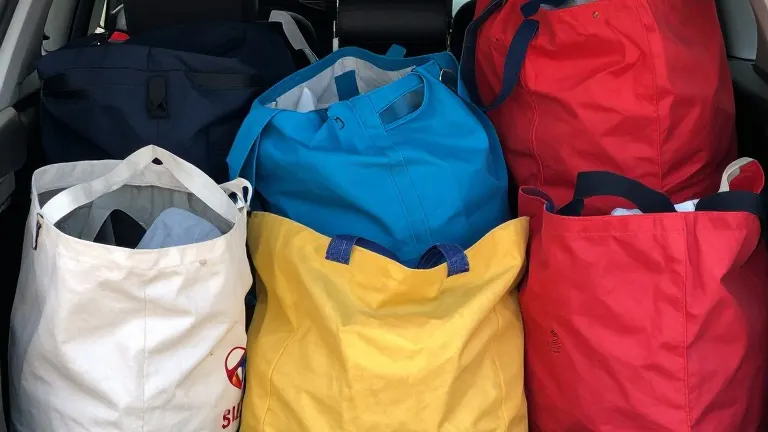
The accumulation of these bags has become a widespread habit across the country. In one Philadelphia household, a couple maintains a stockpile of at least 35 tote bags, ranging from a pickle-themed item from Trader Joe’s to a blue floral design from the French brand Sézane. These bags serve varied functions, from carrying groceries and work supplies to wrapping paper. The couple keeps the collection distributed between a front doorknob, a purse, and a car trunk, noting that the bags provide a sense of security and readiness for any errand.
Joe Hancock, a fashion branding professor at Drexel University, explains that the tote bag originated as a functional tool. L.L. Bean created the first version in 1940s Maine as a water-resistant canvas bag for transporting ice from cars to ice chests. By the 1960s, the design evolved into the classic Boat and Tote with colorful trim. Brands quickly recognized the marketing potential of the format, using the bags as walking advertisements for their logos.
Hancock describes the tote as a form of portable advertising and art that serves as an entry point into luxury goods. While a standard canvas bag is affordable, high-end versions command premium prices. Jen Risk, owner of Wayne-based Hathaway Hutton, resells upcycled vintage totes with rhinestone details and monograms for upwards of $1,000 each. These items sell quickly to collectors who view the bags as status symbols rather than just utility items.
The environmental impact of the trend remains a subject of debate. A 2018 study in Denmark suggested that an organic cotton tote requires 20,000 uses to offset its production impact. This high number contrasts with the 131-use benchmark for conventional cotton. Cities like Philadelphia implemented plastic bag bans in 2021, accelerating the shift toward reusable alternatives. However, global production of single-use plastic bags continues at a rate of five trillion units per year.
Consumers who outgrow their collections have found local solutions for disposal. Caitlin Quirk, owner of The Garb Collection in South Jersey, accepts donations of tote bags seven days a week. Quirk reports receiving hundreds of bags, which she reuses as shopping bags, maintaining a cycle of reuse for the region’s tote collectors.