SNAP payment cycles disrupt daily HIV medication routines
A Penn Medicine study finds that food assistance receipt temporarily improves adherence, but financial strain at the cycle's end causes patients to miss doses.
By Pedro Tanaka ·
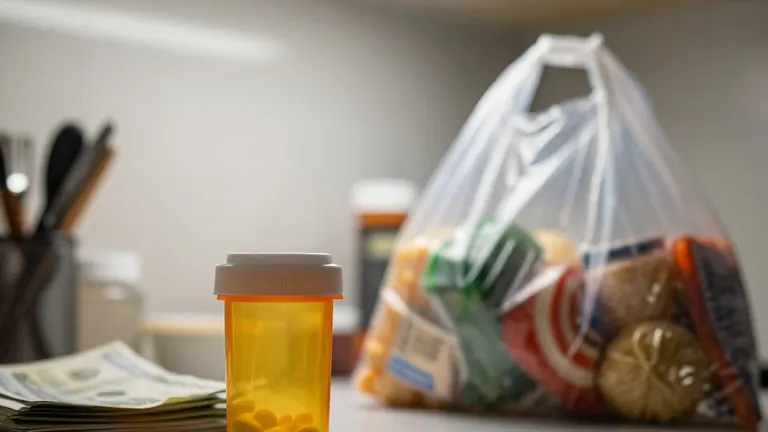
Aaron Richterman, an infectious disease specialist at Penn Medicine, frequently hears a specific complaint from his patients with HIV: how can they take their daily medication when they do not have enough food to eat? This financial strain creates a direct conflict with the medical requirement for strict drug adherence.
The study, conducted in Philadelphia, utilized the timing of Supplemental Nutrition Assistance Program benefits to test this connection. Because recipients receive SNAP funds on specific dates based on their application history, the system creates a natural randomized trial for financial stability.
Richterman provided participating patients with special pill bottles that track medication intake. The data showed a clear pattern: patients followed their medication plans more closely in the weeks immediately following their SNAP benefit receipt.
Adherence rates dropped as the benefit cycle ended and patients faced lower food reserves. This decline in routine corresponds with the period when financial pressure is highest, suggesting that immediate economic relief influences daily health behaviors.
The daily pill regimen for HIV allows patients to manage the virus and live normal lives. However, missing enough doses increases the viral load in the blood. This rise can lead to physical complications for the patient and increases the risk of transmitting the infection to others.
Richterman described the current medication options as a biomedical miracle. He noted that social factors, such as a lack of food or housing, can override medical guidance. He stated that ensuring patients are referred to eligible services can be more important than the medical counseling he provides.
Sam Albanesi, an infectious disease physician at the Jonathan Lacks Treatment Center at Philadelphia FIGHT, observed similar trends in his practice. He is not part of the research team but sees patients who struggle with food and housing insecurity.
Albanesi often discovers these social issues only after a patient's viral count increases. He noted that while medical tools have improved, external factors significantly impact patient health. He said, I keep people living longer and healthier lives, but without access to things like food, water, shelter .. my patients really, really struggle.
Recent federal changes to SNAP require participants to prove they are working, in school, or volunteering. This documentation requirement has already led to thousands of Philadelphians being phased out of the program. Albanesi is also watching upcoming Medicaid changes scheduled for next January, which will require more frequent renewals and work requirements for some recipients. Approximately half of his patients rely on Medicaid, and he expects these new barriers may cause more patients to fall out of care.
More Business · Business Complaints · Report a business · Got a Story?