Metro Funding Gap: Localities Face $136M Bill Without State Action
A new report warns that Northern Virginia governments must prepare for tens of millions in new costs starting in 2029 unless the state extends current subsidies.
By Pedro Tanaka ·
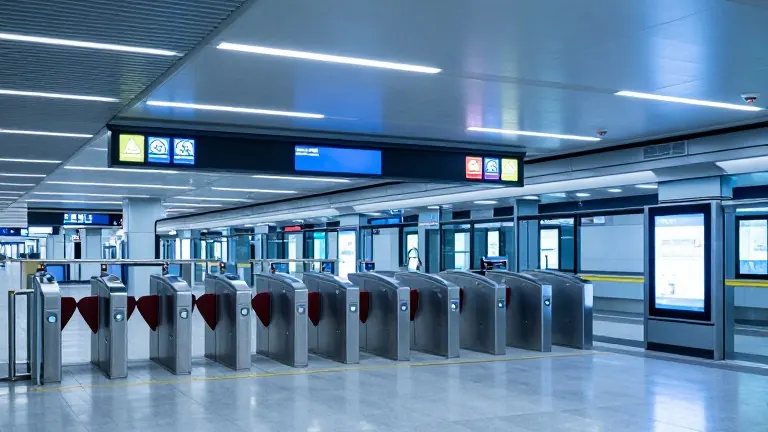
Northern Virginia local governments face a potential $136 million bill starting in fiscal year 2029 if state subsidies for Washington Metro are not extended. The cost burden would rise by 3% annually. Arlington officials estimate the county would need to raise its real estate tax rate by 8 cents per $100 of assessed value if the full amount fell on the General Fund.
The funding uncertainty stems from a two-year fix passed during the 2026 legislative session. Lawmakers added $153 million annually in state support for Metro capital costs. That relief expires if not renewed. Regional transit leaders warned at a November 5 meeting of the Northern Virginia Transportation Commission that the long-term funding question remains unsolved.
The commission reviewed a draft annual report on Metro’s financial performance. The document is expected to be finalized by the board early next month and sent to Gov. Abigail Spanberger and the Virginia General Assembly. Owen Williams, a program analyst with the commission, noted that localities need a workable way to meet upcoming capital obligations.
State and local officials disagree on the path forward. Some Virginia lawmakers argued that the region should propose specific funding options rather than simply requesting more state money. Del. Paul Krizek, D-16, said asking Richmond for funds without a plan is like searching for a rainbow with a pot of gold. He urged local leaders to provide a menu of options, a suggestion supported by Dranesville District Supervisor Jimmy Bierman.
A legislative subcommittee, SJ28, previously recommended several funding mechanisms. The 2026 General Assembly approved one measure allowing localities to pass referendums for a 1 percentage point sales tax increase. Fairfax City was the only jurisdiction to place such a referendum on the November 3 ballot. Voters approved the measure. However, officials noted the new revenue will not cover Metro’s total capital needs.
The commission’s report outlines six steps to stabilize the transit system. These include creating long-term funding options, capping annual funding growth at 3%, negotiating sustainable union contracts, reviewing overtime costs, strengthening fare enforcement, and establishing a regional audit process. A separate study by the Washington Metropolitan Council of Governments projected Metro will need $460 million in FY 2029, with costs increasing 3% per year thereafter.
Metro General Manager Randy Clarke is scheduled to present his FY 2028 budget plan to the board in December. Clarke warned that the proposal will likely include service cuts and fare increases to address a deficit caused by unpaid fares, tariffs, inflation, and rising utility costs. The commission is also preparing lobbying efforts for the 2027 General Assembly session, which opens on January 13.
More Business · Business Complaints · Report a business · Got a Story?