Pennsylvania Infrastructure Grade Slips to C- Amid Aging Water Systems
Civil engineers report that while energy and aviation remain strong, transit and water utilities lag behind due to decades of deferred maintenance and funding shortfalls.
By Lorenzo Patterson ·
The American Society of Civil Engineers assigned Pennsylvania a C- grade for its infrastructure in a report released Tuesday at the state Capitol. The assessment covers 17 categories, including bridges, roads, parks, and transit systems. Brent Basom, president of the ASCE Central Pennsylvania section, stated that these systems form the backbone of the state economy. He noted that when infrastructure functions correctly, it is often invisible, but failures carry severe economic consequences.
Justin Komp, who chaired the 2026 report card committee, described the document as a snapshot of current conditions rather than a judgment on the workers who maintain these systems. He emphasized that the grades reflect the capacity of the existing networks. Carol Haddock, the incoming national president of ASCE, used a recent nationwide flight grounding in Arkansas to illustrate the critical nature of infrastructure maintenance. She explained that the report translates complex technical data into actionable information for decision-makers.
Water systems received a D, the second-lowest grade. Shirley Clark, a professor at Penn State Harrisburg, pointed to the state's aging underground pipes. She said excavators still find wooden pipes made from hollowed-out trees that are 100 years old. Clark noted that drinking water, wastewater, and stormwater are interconnected systems that all flow into major rivers like the Susquehanna. She warned that low head dams along the 300-mile stretch of the Susquehanna River act as dangerous drowning machines during floods.
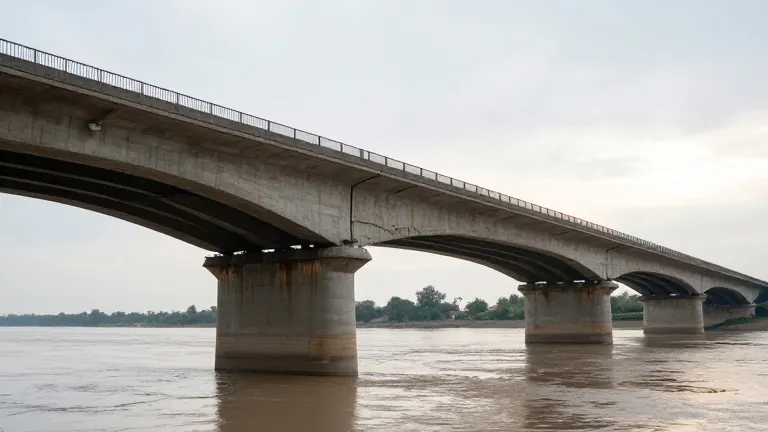
Transit recorded the state's worst score with a D-. Komp highlighted that the average bridge in Pennsylvania is 59 years old, compared to a national average of 47. Most bridges are designed to last 50 years. He argued that stakeholders must view roads, bridges, and transit as a single interconnected network. He noted that not everyone can drive, and not everyone can use public transit.
Energy and aviation achieved the state's highest individual grade of B-. Komp cited Pennsylvania's role as a leading energy producer. The state exported 87 million megawatt hours of electricity in 2024 and supplies nearly 20% of U.S. natural gas production. However, he noted that increased demand from data centers and rising outages require continued investment in grid resilience.
Funding remains the central challenge. Komp stated that the Infrastructure, Investment and Jobs Act provided Pennsylvania more than $22 billion, helping to address decades of underinvestment. However, transit agencies face massive gaps. SEPTA faces a funding gap of more than $10 billion, while Pittsburgh Regional Transit has more than $2 billion in deferred capital needs. These agencies provided more than 528 million passenger trips in 2024.
Gov. Josh Shapiro announced last year that $394 million from the Public Transportation Trust Fund could be used for operating expenses. This move bought legislators two years to identify a new, ongoing funding source. Komp called stopgap measures unsustainable and urged the development of long-term funding streams. He also flagged a workforce crisis, noting a 16% drop in drinking water system operators over the past two decades.
The state’s overall C- grade reflects a mixed picture of improvement and persistent decay. Dams improved to a C due to federal investments, though more than 30% are over 100 years old. Clark emphasized that investment is necessary to prevent flood-related disasters. The report serves as a basis for upcoming legislative discussions on how to close the infrastructure investment gap.