Nine bills seek to rein in 120,000 license plate cameras
Lawmakers from both parties are moving to impose federal rules on Flock Safety's surveillance network after a federal judge ruled its use violated the Fourth Amendment.
By Pedro Tanaka ·
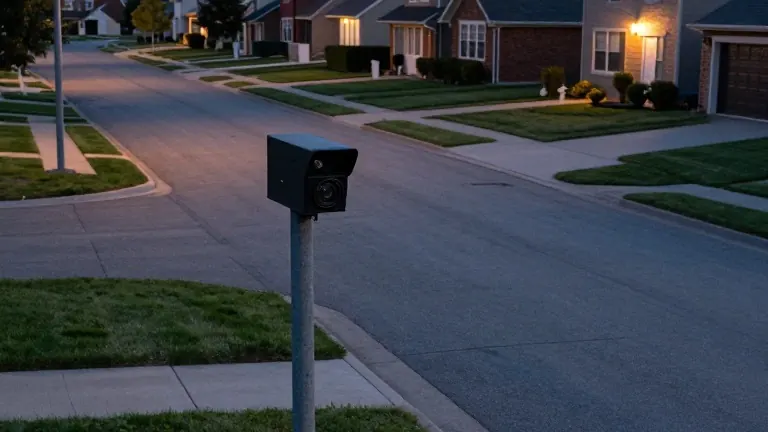
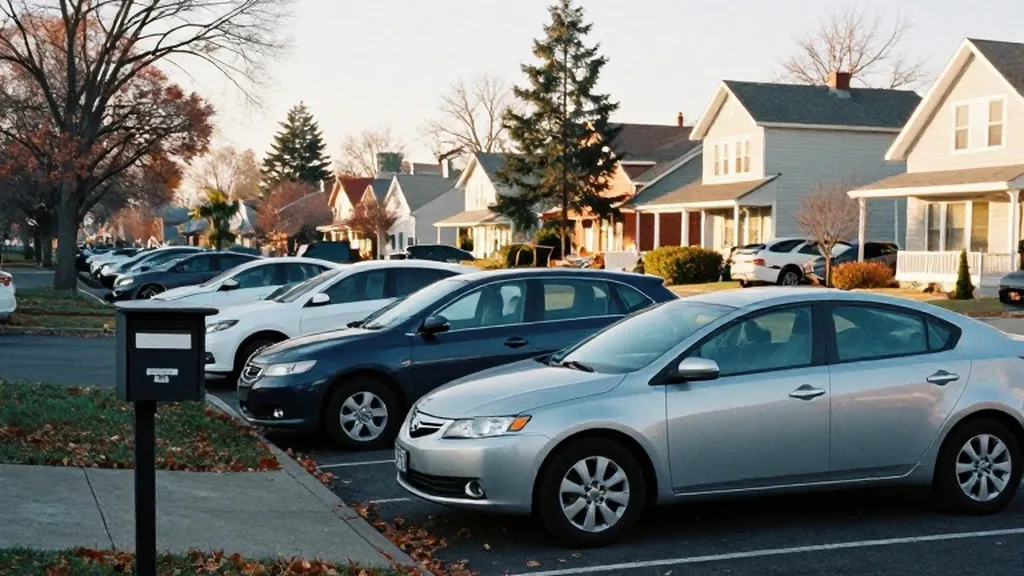
Drivers across the United States face a growing number of automated license plate readers, with no federal rules currently governing how that data is collected or used. Flock Safety, the largest provider of this technology, states it operates more than 120,000 cameras in 49 states. More than 6,000 law enforcement agencies are connected to its data-sharing network.
The lack of national standards has drawn attention from Congress. At least nine proposals are now pending or expected that would limit or ban the use of mass surveillance technologies. These bills vary in their approach, ranging from warrant requirements to outright bans on federal purchases.
Rep. Greg Steube, R-Florida, filed his proposal, H.R. 10606, the FLAFO Act, on Sept. 24. The bill would generally bar federal agencies from buying or operating networked license plate reader systems. It allows access only through a warrant, with exceptions for defense agencies, emergencies, and missing-person cases. Steube argued that the technology's nationwide scope requires a unified legal framework.
"I definitely 1,000% think we need to do that," Steube said. He noted that his district currently has different rules for every law enforcement agency. He added that the issue has brought together allies from different political ends of the spectrum.
Other introduced bills include H.R. 9800, the Protection Against Mass Surveillance Act, introduced by Rep. Tim Burchett, R-Tennessee, on July 21. That bill would bar federal agencies from buying or deploying automated surveillance systems. H.R. 10221, the Flock-Off Act, introduced by Rep. Thomas Massie, R-Kentucky, on Sept. 2, would cut off federal funds for these systems. H.R. 10691, the Ban Flock Act, introduced by Rep. Alexandria Ocasio-Cortez, D-New York, on Oct. 1, would prohibit federal use unless Congress passes a specific authorization law. That law would limit data retention to 48 hours.
H.R. 10822, the ALPR Accountability Act of 2026, introduced by Rep. Pat Harrigan, R-North Carolina, on Oct. 15, includes a warrant requirement for queries and a ban on indexing expressive attributes like bumper stickers. Senator Josh Hawley, R-Missouri, has also promised legislation that would require mandatory audits and limit data retention.
The legislative push follows a federal court ruling in October. A judge called the technology a large-scale, dragnet-type surveillance system. The court ruled that an Oklahoma officer's warrantless use of the system lacked probable cause and violated the Fourth Amendment. The judge wrote that it becomes constitutionally problematic when law enforcement can indiscriminately catalog whereabouts over an extended period.
Flock Safety responded to the proposals through a spokesperson. The company described its technology as an important public safety tool. It said it supports thoughtful, bipartisan legislation that puts strong privacy and accountability guardrails in place while preserving law enforcement's ability to keep people safe. Flock stated that its revised default retention period of seven days protects civil liberties.
Sen. Ron Wyden, D-Oregon, said the company stonewalled his requests for answers about privacy. He urged local communities to make the decision to install or remove cameras. "People feel very strongly," Wyden said. "They want to call the shots. They don't want these cameras." Sen. Raphael Warnock, D-Georgia, called the issue a bipartisan concern, noting that people do not want to be stalked or harassed.
The next scheduled step involves further review of these bills by congressional committees. Lawmakers continue to debate whether federal rules or local choices should govern the use of these cameras.