Mahoneys discover six old oil wells hidden near their South Fayette home
New interactive data reveals thousands of abandoned extraction sites across Pennsylvania that local residents were unaware existed on their properties.
By Pedro Tanaka ·
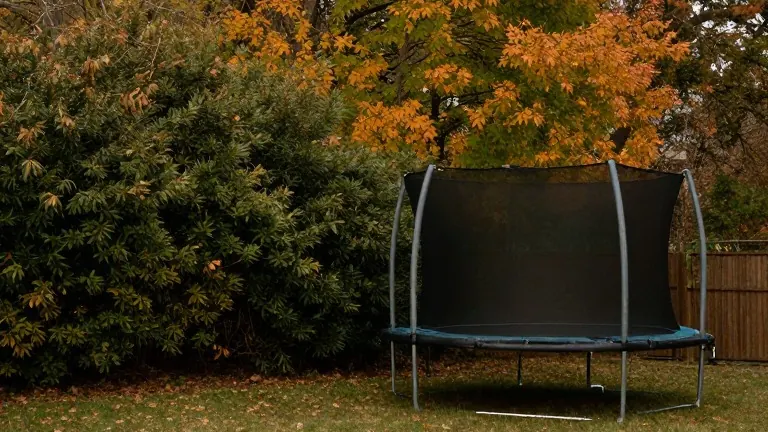
Brittany and Ryan Mahoney did not know that six abandoned oil wells sat within 150 feet of their first home in The Berkshires, a South Fayette neighborhood. The couple purchased their property in 2012 on the promise that a worker would cap a single well located behind their backyard. They were never told about the other five.
The Mahoneys live in an area that was once part of the McDonald Oil Field, a site so productive in the early 20th century that output was measured in gallons per minute. Over the decades, farmland gave way to residential streets with names like Windsor Court and Walnut Ridge. Historic maps now show two of those wells drilled less than 50 feet from the location of the family's trampoline.
The Pennsylvania Department of Environmental Protection, or DEP, oversees well plugging but was never notified of the work performed behind the Mahoneys' house. A recent site visit found no visible evidence of a well past the property line. When Brittany Mahoney viewed a new map of the area, she asked if she should be worried. Her neighbor two houses down did not know about any wells on the street, despite the data showing six homes marked with potential sites.
Inside Climate News and the Pittsburgh Post-Gazette created an interactive map to locate these subsurface structures. The tool pulls data from the DEP and historical documents to display wells that are often long forgotten. Many of these sites have not produced oil or gas for decades, and some were plugged with tree trunks. While many pose no immediate threat, residents have no easy way to monitor for leaking gas or fouled groundwater without knowing the wells exist.
Dan Brockett, who leads the energy education team at Penn State Extension, identified leaks as the primary concern. He warned that methane, brine water, or petroleum products escaping from a well are red flags. Visible erosion or rusty pipes sticking out of the ground can also indicate problems. Brockett advised residents not to cut or pull old pipes, as the trapped gas could be methane. His team spent the previous year documenting wells with funding from the Environmental Defense Fund and found approximately 250 sites the DEP had not recorded.
Fred Baldassare, a consultant with 30 years of experience investigating methane, said most leaks are found through gas utility surveys. Companies like Columbia Gas and Peoples survey their pipelines and notify the DEP if the chemical signature of the gas does not match their own lines. If the DEP confirms a leak, it may install a mitigation system to vent the gas away from homes. This approach was used in the basement of the 1889 Carnegie Library in Braddock, where plugging the well would have damaged the historic floor.
Residents who find an unrecorded well are encouraged to report it to the DEP. The agency states that finding a well does not make the landowner responsible for plugging it, unless they attempt to produce oil or remove evidence of the site. The DEP prioritizes plugging based on risk, but it only plugs a handful of wells per year on an emergency basis. Absent an immediate hazard, the process can take time.
Pamela Schrank in Murrysville reported a leaking well in her yard in the spring of 2024 after experiencing dizziness and a strong odor. The site was added to a priority list for the DEP. Two and a half years later, the well remains unaddressed, illustrating the gap between discovery and state action.