Customs to block goods from three Chinese biotech firms
Officials cite forced labor ties in Xinjiang as U.S. adds BGI Group and affiliates to a trade blacklist effective Thursday.
By Pedro Tanaka ·
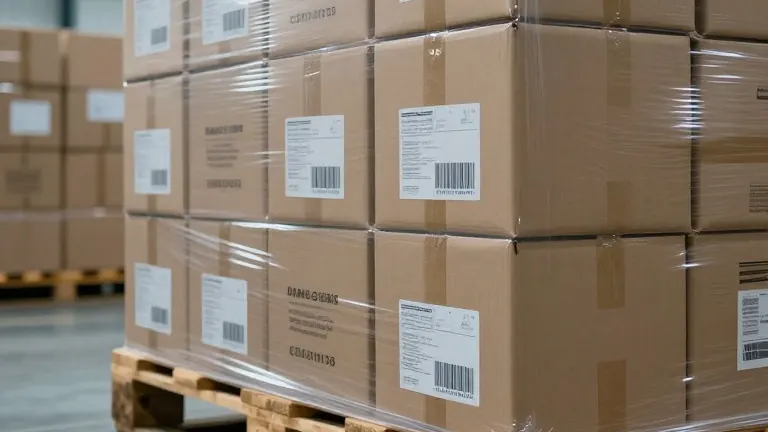
The Department of Homeland Security will block shipments from three major Chinese biotechnology companies starting Thursday. The move targets BGI Group, BGI Genomics, and MGI Tech, which are controlled by the same parent entity. Officials allege the firms utilize forced labor from the Uyghur ethnic group in the Xinjiang region.
U.S. Customs and Border Protection will enforce the ban immediately. The department stated that the companies are either sourcing materials from Xinjiang or collaborating with regional authorities to recruit and transport workers. This action adds the three firms to a growing trade blacklist that currently holds 187 entities.
The restriction falls under the Uyghur Forced Labor Prevention Act. President Joe Biden signed that law into effect at the end of 2021. It requires the government to presume goods from Xinjiang are made with forced labor unless proven otherwise. The Trump administration expanded the list in August by adding 43 Chinese companies. Homeland Security Secretary Markwayne Mullin has pledged to stop foreign firms from undercutting American workers using what he calls slave labor.
BGI Group is a prominent name in genetic sequencing technology. Lawmakers and policymakers have raised concerns for years about its ties to the Chinese government. Critics worry the company’s access to large datasets of genetic material poses a risk to U.S. national security. BGI Group has maintained that it is privately owned and does not serve patients in the United States. It says it has no access to American genetic data.
Congress has taken steps to limit the company's influence. Last year, legislators passed a provision requiring a list of biotechnology companies of concern. The Pentagon has also designated BGI Group, BGI Genomics, and MGI Tech as Chinese military companies. This label carries reputational weight but does not ban trade on its own.
China’s Ministry of Commerce reacted sharply to the new listings. In a statement Thursday morning, the ministry called the ban an act of political manipulation. It described the move as bullying under the guise of protecting human rights. The ministry said the actions violate the spirit of humanitarianism and undermine the stability of economic ties between the two nations. Beijing has historically defended its policies in Xinjiang as efforts to fight terror and ensure stability.
BGI Group rejected the allegations in a statement issued Wednesday. The company said it has not engaged in any form of forced labor. It added that it firmly opposes all forms of forced labor. The firm is based in Shenzhen, a city in southern China.
The trade action comes as biotechnology becomes a new front in the economic competition between Washington and Beijing. The Treasury Department proposed new restrictions last week on U.S. investments in biotechnology, artificial intelligence, and supercomputing in countries like China. These moves aim to protect American technological advantages.
President Donald Trump and Chinese leader Xi Jinping are expected to meet next month in Shenzhen. BGI Group is headquartered in that same city. The leaders may meet again in December in Florida for the Group of 20 summit. This would be their fourth meeting this year as they work to maintain a trade truce.
Source: WTOP News
More Business · Business Complaints · Report a business · Got a Story?