Wisconsin Joins 20-State Suit Against Dollar General Over Register Price Mismatches
The lawsuit claims the discount chain routinely charged customers more at checkout than advertised on shelves.
By Lorenzo Patterson ·
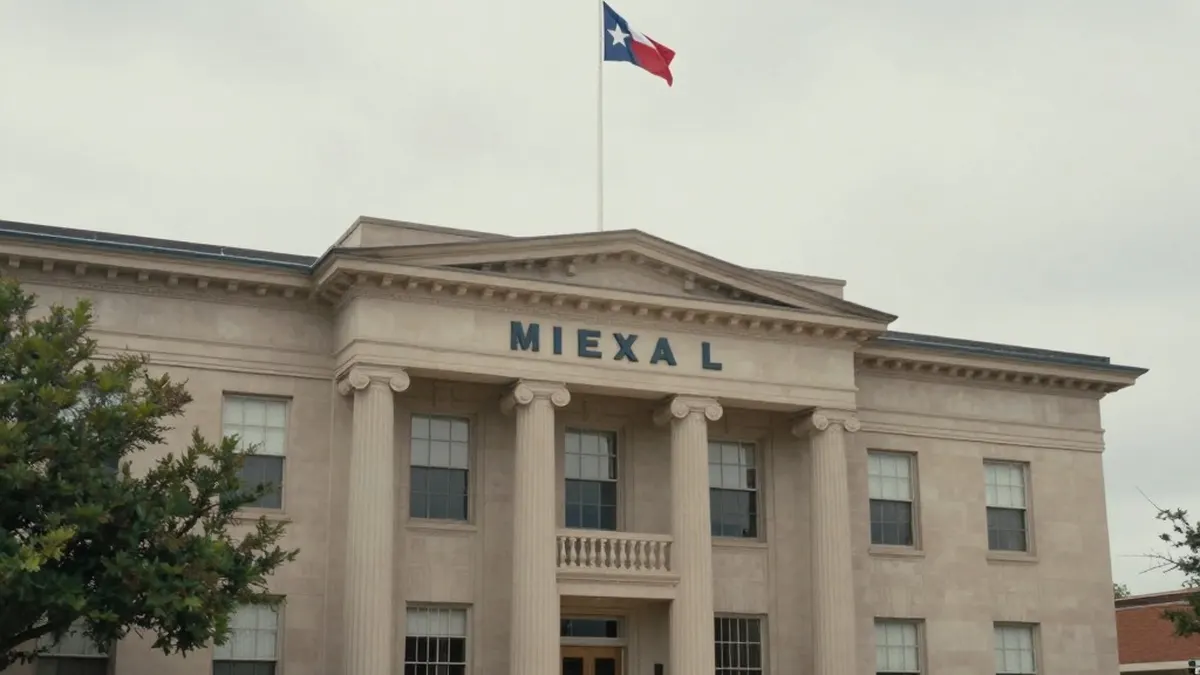
Wisconsin Attorney General Josh Kaul filed a lawsuit against Dollar General on Monday, joining 19 other states in a class action brought by the Federal Trade Commission. The complaint, filed in the U.S. District Court for the Middle District of Tennessee, alleges that the discount retailer routinely charged shoppers higher prices at the register than those displayed on shelves, price tags, and advertisements.
The 95-page document asserts that Dollar General was aware of the discrepancy for years but failed to correct it, costing customers millions of dollars. Kaul stated that the prices shoppers see while browsing should match the prices they pay at checkout. He argued that accountability is required when the checkout aisle price exceeds the shelf price.
According to the complaint, Dollar General received 29,265 customer complaints labeled as “Did Not Honor Marked Price” between January 1, 2023, and March 31, 2026. These reports originated from all 48 states where the company operates. FTC investigators also conducted undercover shopping trips between January 16 and April 1, 2026. They purchased items at stores in Ohio, Pennsylvania, Missouri, and Maryland. In every instance, the register charged more than the advertised price for multiple products.
The lawsuit details that Dollar General changes prices weekly. Employees are required to update shelf labels during a five-hour shift designated as “Compliance Tuesday.” Most price adjustments are increases. When the digital register updates before the physical shelf tag, customers typically pay more. The complaint states that stores are often too thinly staffed to print and install new labels in time.
Since 2019, the company has settled seven state cases with six attorneys general and consumer protection agencies over pricing errors. Those settlements totaled more than $6 million. The complaint notes that Dollar General routinely fails pricing inspections across the United States. Most states consider an inspection failed if more than 2 percent of checked items are priced incorrectly.
In a response to the lawsuit, Dollar General said the action suggests it has abandoned its mission to provide affordable goods. The company stated its goal is 100% accuracy between shelf and register prices. It acknowledged that occasional discrepancies occur despite its policies. Store teams are instructed to make things right for customers when errors happen. The company also claimed the FTC demanded a monetary amount in prior talks that was untethered to realistic assessments of the pricing errors.
The other states joining Wisconsin in this action are Alabama, Arizona, Arkansas, California, Connecticut, Florida, Illinois, Iowa, Kansas, Louisiana, Michigan, Mississippi, Nebraska, New Jersey, North Carolina, Ohio, Oklahoma, Tennessee, and Utah.
Source: Patch Doylestown
More Business · Business Complaints · Report a business · Got a Story?