Wooden Spoons Need Care to Avoid Warping and Splitting
Experts advise against dishwashers and recommend specific oils to extend the life of kitchen tools.
By Nikolai Morales ·
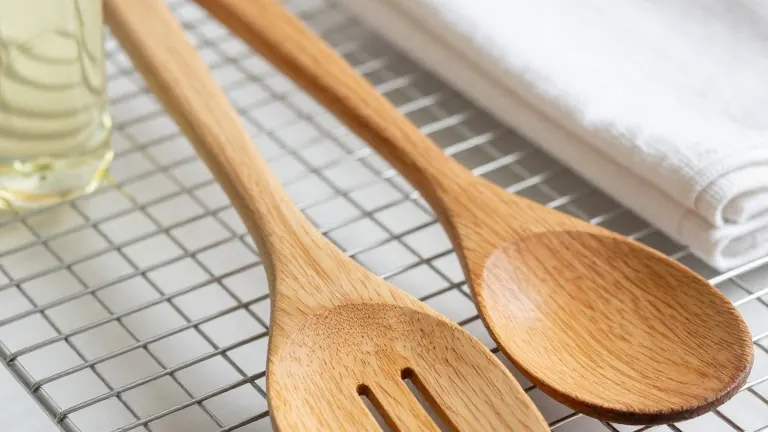
500 or more shoppers on Amazon have rated the specific food-safe mineral oil recommended by cleaning experts with at least a four-star average. This product is central to the advice provided by specialists who caution that wooden kitchen utensils require more maintenance than plastic alternatives. The goal is to remove stains and odors without damaging the wood grain.
Robin Murphy, chief cleaning officer at Maid Brigade, states that thorough drying is as important as washing. She instructs users to wash utensils after use, rinse them well, and dry them with a clean towel. Murphy adds that they should air-dry completely before storage. If the wood appears dry, she recommends conditioning it with a small amount of food-grade mineral oil.
Kadi Dulude, owner of Wizard of Homes, emphasizes the need to clean crevices. She advises using a mild dish soap and a sponge or brush to remove all food residue. She notes that users must pay attention to grooves and joints. Dulude warns that placing utensils flat on a wet cloth or in areas with poor air circulation will cause mold and mildew to grow.
Both experts recommend against using dishwashers for wooden items. Dulude explains that the high heat and humidity cause items to warp or split. Murphy adds that water expands as it dries, which leads to cracking and splintering. This holds true even if the label indicates the item is dishwasher safe.
The recommended process involves rinsing with warm water immediately after use. Users should apply a small amount of mild dish soap to a sponge or soft brush and gently scrub the surface. They should then rinse thoroughly and pat dry with a towel. Finally, the utensils should be placed on a drying rack where they are exposed to air.
For older utensils that are dry or faded, Murphy and Dulude suggest using food-grade mineral oil. Users should apply the oil to a cloth and rub it onto the surface once the wood is completely dry. They must allow the utensil to dry fully before storing or using it. This process is similar to seasoning a cast-iron skillet.
Avoiding certain products is necessary to maintain the wood. Murphy advises against using pure bleach or abrasive cleaners like powders or pastes because they damage the surface. She also recommends avoiding vegetable or olive oil because they become rancid over time. Food-safe mineral oil is the preferred alternative because it does not make foods oily.
Dulude provides criteria for when to replace utensils. She says deep cracks require stopping use because food and moisture can enter and contaminate the next meal. Small imperfections or roughness can be saved by lightly sanding and applying food-grade mineral oil. The condition of the surface determines whether the tool remains useful.
Source: NBC News