Yemeni counteroffensive in al-Bayda faces continued stalemate
Despite heavy air raids, government forces have struggled to make significant ground against Houthi defenses in central Yemen due to terrain and political divisions.
By Lorenzo Patterson ·
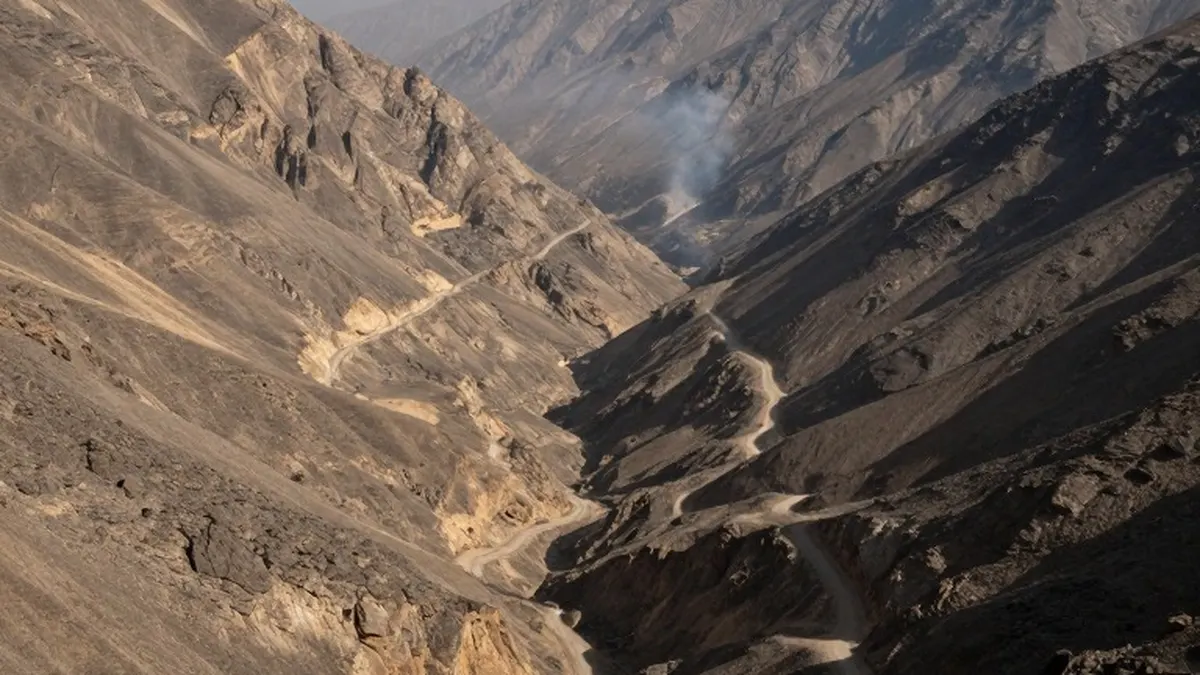
Yemen’s internationally recognised government launched a counteroffensive in September against the Houthis in the strategically vital al-Bayda province. The move was intended to open a major new front in the conflict, responding to a series of Houthi advances along the coast and around Taiz. However, more than two months later, the operation has stalled, with government forces failing to achieve a significant breakthrough on the ground.
Since the initial push began, the area has been subjected to hundreds of air raids targeting Houthi positions. Yet, early advances have not developed into a broader campaign toward the provincial capital. Military analysts cite Houthi fortifications, extensive minefields, and the challenging mountainous terrain as primary obstacles. Additionally, government troops have faced pressure from simultaneous engagements in other parts of the country, stretching their resources thin.
The strategic importance of al-Bayda cannot be overstated. Located southeast of Sanaa, the province serves as a critical link between northern and southern Yemen. For the Houthis, it acts as a defensive buffer and provides access to key supply routes connecting their positions in neighboring areas. For government forces, retaking the province could disrupt these supply lines, relieve pressure on surrounding regions, and potentially open a path toward Sanaa, which the Iran-backed rebels have controlled since September 2014.
Brigadier General Mohammed al-Kumaim, a Yemeni military analyst, noted that controlling al-Bayda would cut off Houthi supply routes and increase pressure on their other strongholds. However, he emphasized that such gains are conditional on the government’s ability to hold the territory and sustain military operations over time. The province’s winding roads and valleys make it inherently difficult for attacking forces to advance, secure ground, and maintain logistical support.
Historical patterns in the region show a recurring cycle of conflict. Since the Houthis expanded their control beyond Sanaa in 2014, al-Bayda has seen repeated clashes. Government forces and allied tribal fighters have periodically captured territory, only to lose it during subsequent Houthi counteroffensives. In July 2021, for instance, government troops advanced into parts of the province before the Houthis recaptured the lost areas.
Beyond military challenges, internal political divisions have complicated the government's efforts. Deep rifts persist between forces aligned with the central government and the Southern Transitional Council, a coalition of separatist groups seeking independence for southern Yemen. Although the STC was officially dissolved earlier this year, armed groups formerly under its umbrella remain significant actors in Aden and the south. These ongoing differences reportedly hinder the creation of a united front against the Houthis.
Ali al-Dhahab, a Yemeni military and strategic analyst, pointed out that local resistance groups have suffered from inconsistent government support and disrupted supply lines. He added that political rivalries among anti-Houthi factions, combined with violence in neighboring southern areas, have prevented fighters in al-Bayda from establishing reliable logistics and securing the support needed for prolonged operations.
The current situation reflects the broader difficulties facing Yemen’s fragmented anti-Houthi forces. These groups are attempting to defend multiple fronts while challenging Houthi control of key territory. The government’s recent withdrawal from areas near the Bab al-Mandeb Strait to reinforce defenses around Aden has added to these pressures. As of November 21, Houthi media reported eight air strikes on telecommunications towers in the Mukayras district, highlighting the continued intensity of the conflict.
The central challenge for the government remains unchanged: converting the strategic importance of al-Bayda into lasting territorial gains. Until the forces can overcome terrain, logistical issues, and internal divisions, the stalemate is likely to persist, leaving the province as a key flashpoint in the ongoing war.