US-backed group agrees to buy Lukoil's foreign assets
The deal swaps restricted Russian shares for control of energy operations in 11 countries.
By Nikolai Morales ·
A U.S.-led investor group agreed on Wednesday to take control of the overseas energy assets of Russia's Lukoil.
The consortium is led by Eldridge, an American asset management firm. It includes the U.S. International Development Finance Corp., a government lending agency. The group also counts Catena Investment Holding from the United Arab Emirates and New York-based Xtellus Capital Partners as partners.
Lukoil announced earlier this year that it planned to sell its international holdings. The company sought a buyer for its global portfolio as U.S. sanctions loomed.
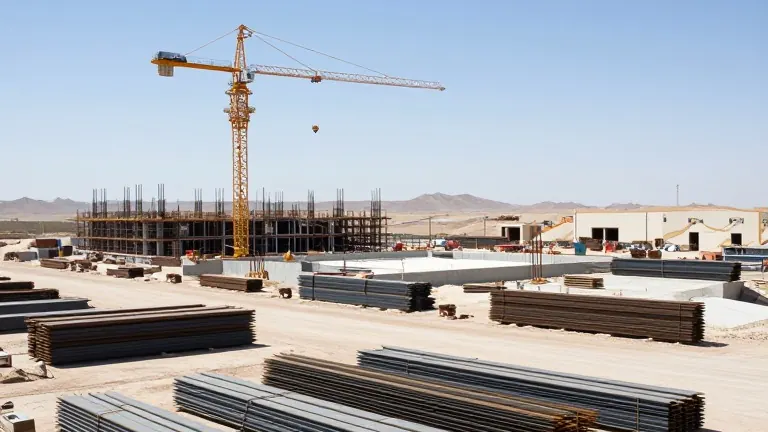
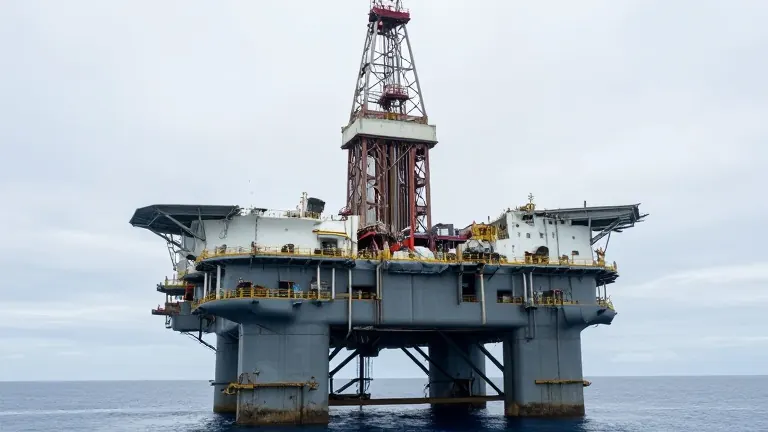
The new agreement covers Lukoil International. This entity owns oil and gas fields, refineries, pipelines, and other infrastructure in 11 countries outside of Russia. The consortium stated in a release that these operations currently produce about 350,000 barrels of oil equivalent per day.
The deal structure avoids direct cash payments to Russia. The consortium will exchange restricted Russian shares of Lukoil and other Russian companies for all of Lukoil International’s liquidity.
The Development Finance Corp. will receive an ownership stake on behalf of the United States. A DFC official who spoke on condition of anonymity said the agency’s role protects U.S. interests. The official called the assets important for the energy security of the U.S. and its allies.
Critics in Congress say the government agency is stretching its mandate. Rep. Gregory Meeks, a Democrat and the ranking member of the House Foreign Affairs Committee, accused the Trump administration of bypassing a congressional ban on DFC investments in Russia. That ban was designed to pressure Moscow to end the war in Ukraine.
Meeks said the DFC exists to advance development in emerging markets. He added that it should not serve as a finance vehicle for President Trump’s wealthy and well-connected friends.
The administration has taken steps to ease relations with Moscow in recent months. President Trump agreed to purchase Russian diesel to lower global energy prices. He met with Russian President Vladimir Putin, whom he called a friend. Trump also paused new sanctions on Russia days before they were set to take effect.
The diesel deal faced bipartisan opposition in Congress. Lawmakers argued that Russian shipments would violate a 2022 ban on energy imports from Russia. The Treasury Department temporarily authorized these transactions. However, two tankers bound for the U.S. changed course after officials warned port authorities and banks that facilitating the shipments could bring legal consequences.
Lukoil originally sought to sell its international assets to the U.S. Carlyle Group. The Treasury Department gave the company until Feb. 28 to complete the sale of foreign assets. Trump announced sanctions on Lukoil and Rosneft in October 2025 to push for a ceasefire in the war in Ukraine.
In September, Trump signed legislation to renew pressure on the Russian economy. He then signed an executive order last month that paused the new sanctions package. The pause came two days before the implementation deadline.
More Business · Business Complaints · Report a business · Got a Story?