UN official held 50 hours at Costa Rica airport over security alert
Francesca Albanese was barred from entering the country to receive an honorary degree but left for Mexico after a court blocked her deportation.
By Nikolai Morales ·
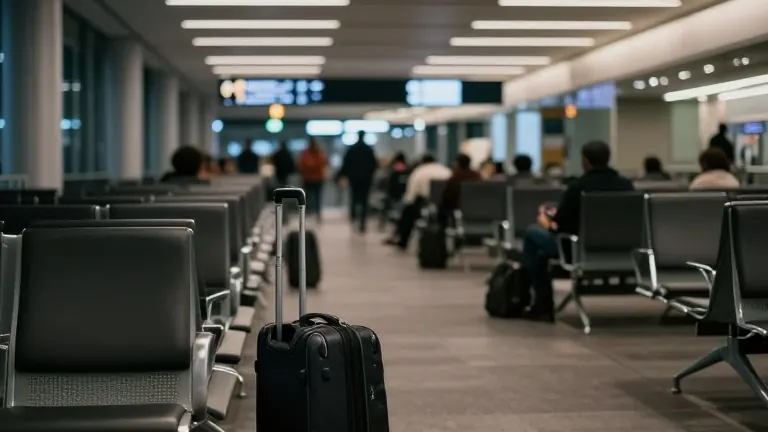
Francesca Albanese, the United Nations special rapporteur on the occupied Palestinian territories, departed Costa Rica on Saturday after spending more than 50 hours stranded at the airport in San Jose. Immigration officials prevented her from entering the country to accept an honorary doctorate from the University of Costa Rica. She left on a flight to Mexico rather than being deported back to Paris.
Albanese arrived from Paris on Thursday. Officers stopped her upon landing, citing an international alert regarding alleged ties to terrorism and a national security risk. The agency did not identify who issued the alert or provide specific evidence to support the claim. Albanese rejected the accusation on social media on Friday, stating that defending human rights is not terrorism.
The Italian lawyer is a prominent critic of the Israeli government. She has accused Israel of committing genocide in its war against Hamas in Gaza, a charge Israel rejects. Last year, the Trump administration imposed sanctions on her. Those restrictions barred her from entering the United States and using U.S. banks. Albanese called for an investigation into whether the Costa Rican ban was linked to those sanctions.
While stuck in the terminal, Albanese accepted her honorary degree via video call. The University of Costa Rica granted the award despite her physical absence. A legal challenge filed on her behalf reached the Constitutional Court. The court issued an order blocking officials from deporting her while they reviewed the case. Late Friday, the court permitted her to leave the airport to rest at a hotel before her next flight.
Immigration officers took approximately six hours to release her for the hotel stay. Albanese exited the airport shortly after midnight Saturday. She boarded her flight to Mexico hours later. During a live video broadcast from the plane, she addressed the Costa Rican public. She told them they did not need to apologize for the incident and suggested they were in shock over the events.
President Laura Fernandez's administration criticized the judicial decision. Rodrigo Chaves, a former president serving in the current cabinet, described the court's action as a usurpation by an arbitrary judiciary. The government is right-wing and closely aligned with the Trump administration. Albanese urged the public to protect their independent courts and universities, noting that both institutions were under attack.
Criticism of the entry ban came from multiple sources. Three former Costa Rican presidents, including Nobel Peace Prize laureate Oscar Arias, condemned the move. The country's ombudsman's office stated that holding her demonstrated a lack of understanding regarding her immunity as a UN expert. Volker Turk, the UN high commissioner for human rights, said the decision was difficult to reconcile with the nation's commitment to human rights. Amnesty International called the actions shameful. Danny Danon, Israel's UN ambassador, praised the government for the move.
Albanese expressed gratitude to the Italian Embassy and the judges who intervened. She wrote on X that she would return to Costa Rica when the country was free again. Her departure marked the end of a two-day standoff that involved the executive branch, the judiciary, and international diplomatic observers.