Tribunal Rejects Argentina's Bid to Halt Falklands Drilling
The International Tribunal for the Law of the Sea ruled 18-3 that the court lacked jurisdiction over the sovereignty dispute, clearing the way for the Sea Lion project.
By Lorenzo Patterson ·
The International Tribunal for the Law of the Sea rejected Argentina's effort to block the Sea Lion oil exploration project near the Falkland Islands on Saturday. The tribunal voted 18-3 to uphold the decision, ruling that the maritime court was the wrong venue to settle questions of territorial sovereignty.
Argentina had argued that an ongoing dispute over the islands' status meant no new activities, such as building oil wells, should proceed in the area. Buenos Aires claimed the marine environment of these disputed waters is protected by international law. The UK government countered that the tribunal had no authority over the issue and warned that pausing the project would cause severe economic damage to the local population and connected businesses.
The tribunal president stated that the case fell outside the court's powers because it was fundamentally a territorial matter rather than a maritime one. This ruling ends the specific legal challenge Argentina brought to halt the venture, though it does not settle the broader sovereignty question that has defined relations between London and Buenos Aires since the 1982 conflict.
President Javier Milei responded to the vote by declaring that the decision was "not the final word." He reiterated that the Falkland Islands are Argentine and announced that five individuals involved in the oil drilling venture would face sanctions. A government statement noted that Argentina did not ask the court to rule on sovereignty, but rather to apply UN sea laws regarding the "exploitation of our resources."
UK Foreign Secretary Ed Miliband and Attorney General Ellie Reeves issued a joint statement urging Buenos Aires to respect the right of the Falkland Islanders to determine their own future. They accused Argentina of failing in its attempt to stop the islanders from making sovereign decisions and called on the country to end its wider economic pressure against the territory.
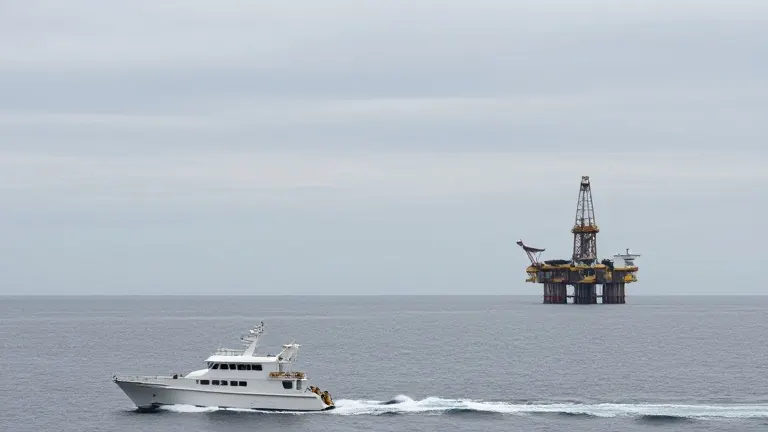
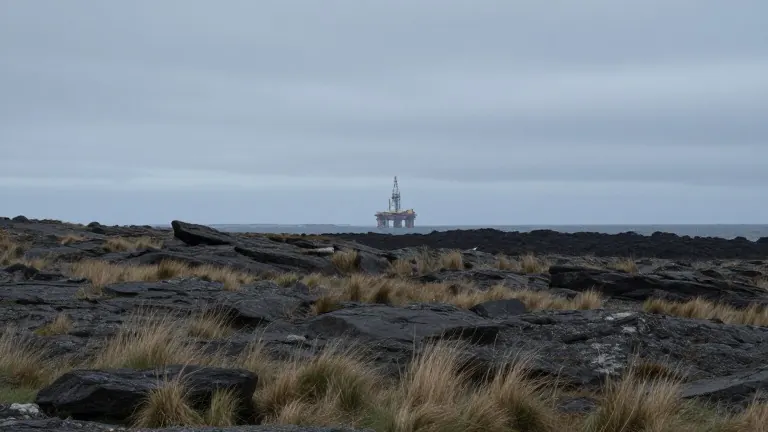
The Sea Lion oilfield sits approximately 130 miles from the islands and holds an estimated 1.7 billion barrels of oil. Rockhopper Exploration and Navitas Petroleum are scheduled to begin extraction within two years. The revenue generated is expected to provide substantial financial benefits for the territory's roughly 3,500 residents.
The legal battle follows a 74-day war in 1982, which resulted in 255 British military deaths, three islander deaths, and 649 Argentine military deaths. In a 2013 referendum, 99.8% of residents voted to remain a British overseas territory, with only three votes cast in favor of independence or other options. Argentina has maintained its claim to the islands since its defeat in that conflict.