Texas band raises $350,000 after Macy’s parade delay
Organizers moved the event to Saturday due to wind, forcing performers to scramble for lodging and travel funds.
By Lorenzo Patterson ·
A high school marching band from Pearland, Texas, collected $350,000 in donations within hours of learning their trip to New York would extend by two days. The funds arrived after Macy’s announced the postponement of the Thanksgiving Day Parade from Thursday to Saturday, a first in the event’s history.
The band’s director, Ryan Demkovich, was watching a matinee performance of Wicked on Broadway when the news broke. He said the group of roughly 500 students faced the immediate challenge of feeding and housing everyone in Manhattan. Local businesses and nearly 2,000 individual donors provided the money needed to extend the band’s hotel stay through the weekend.
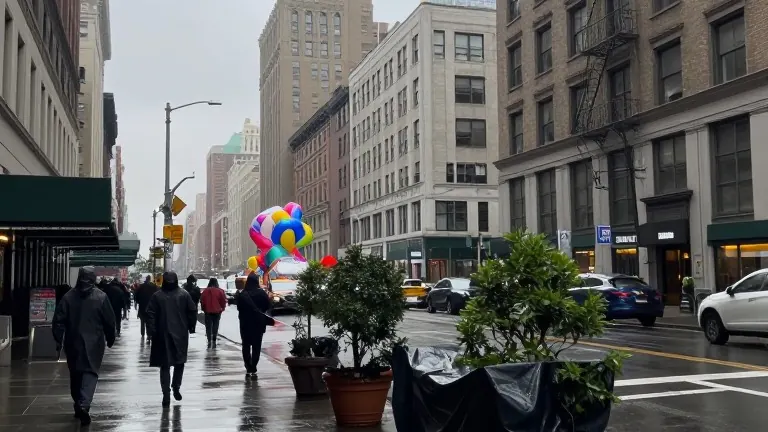
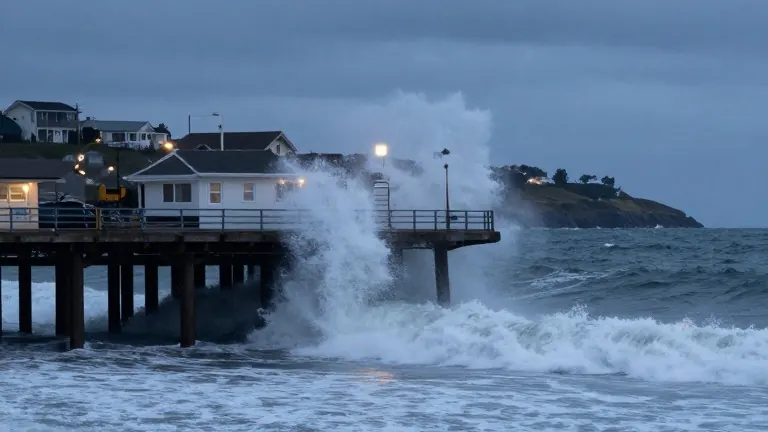
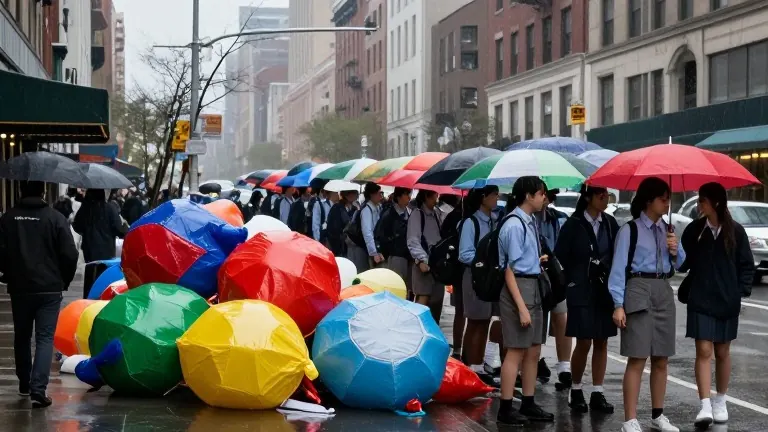
Macy’s attributed the delay to strong winds and rain threatening the safety of the parade’s large balloons. The company stated that it was working with performers to manage the logistics of the reschedule. This involved deflating the balloons and storing them until Saturday. The retailer noted that the parade had only been canceled three times before, all during World War II.
Other groups confirmed their participation in the new Saturday date. Representatives for Broadway productions including The Rocky Horror Show, Wicked, and Hamilton said their casts would perform. The University of Connecticut marching band also confirmed it would march, marking its first appearance in the parade. In contrast, the University of Alabama’s Million Dollar Band decided to return home to play at a football game instead.
The Nā Koa Aliʻi Hawaiʻi All-State Marching Band is currently attempting to raise approximately $700,000 to cover the costs of staying in the city. Director Rickey H Badua said the group is coordinating for several hundred members and staff. He described the effort as a race against time to secure the necessary funds before the students must travel back to Hawaii.
City officials maintain strict protocols for balloon handling based on wind speeds. These rules require organizers to lower or remove balloons if conditions become too dangerous. The last time weather forced the balloons to be grounded was in 1971. A severe accident in 1997 left one woman in a coma, leading to the current safety measures.