Israeli scientist pivots from cancer treatment to combating biological aging
Dr. Sharon Shacham leverages her background in biotech to develop drugs that extend health span by targeting the mechanisms of aging.
By Pedro Tanaka ·
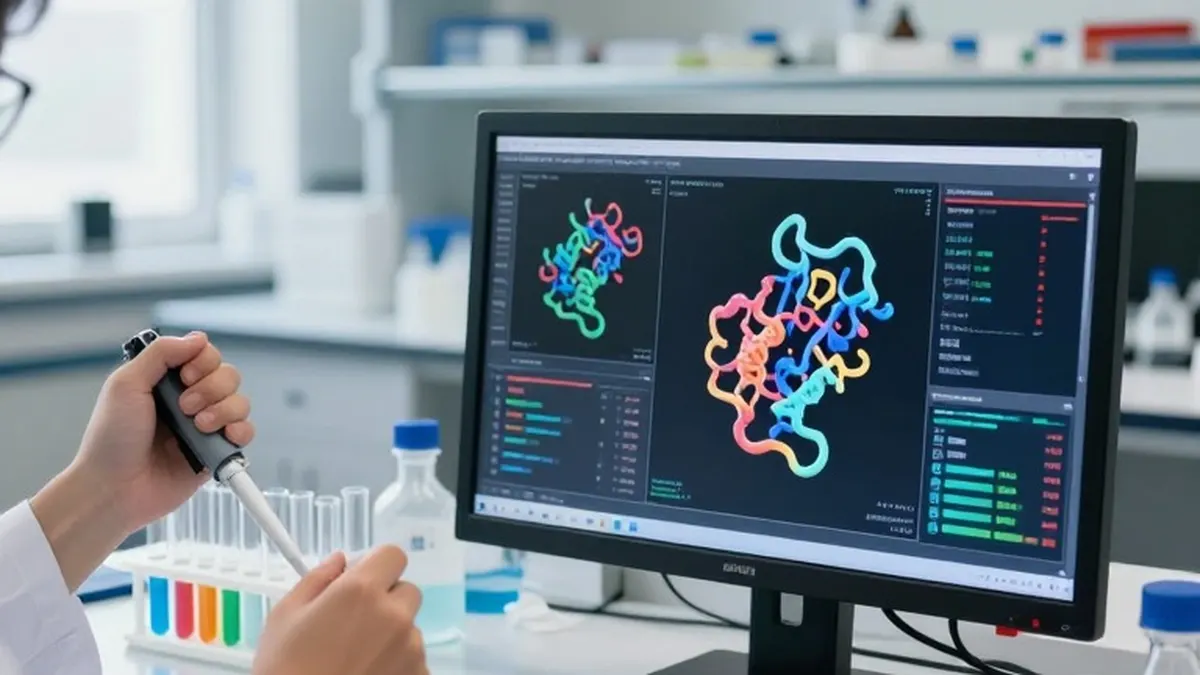
Dr. Sharon Shacham, an Israeli scientist and biotech entrepreneur, describes the current era as a remarkable period in medical history. She notes that cancers which previously left patients with only a few months to live are increasingly becoming chronic and manageable conditions. This shift in treatment outcomes is driven by new scientific approaches that Shacham has helped pioneer throughout her career.
Her professional journey is defined by a diverse academic and professional background. Shacham holds a Bachelor of Science in Chemistry, a Ph.D. in Biophysical Chemistry, and an MBA focusing on information systems, all obtained from Tel Aviv University. Her expertise spans chemistry, biochemistry, computational physics, protein modeling, and business strategy. This multidisciplinary foundation has allowed her to co-found Karyopharm Therapeutics and currently serve as the CEO and co-founder of Regenimo Biosciences.
Regenimo Biosciences is focused on a new frontier in medicine: targeting the biological mechanisms linked to aging. The company is developing drugs designed to extend the human health span, which refers to the period of life spent in good health. This work represents a significant evolution from Shacham's earlier efforts in cancer treatment, moving the focus toward preventing the decline associated with getting older.
Shacham’s passion for science was ignited early in her life by two specific inspirations. The first was Marie Curie, the first woman to win a Nobel Prize and the only individual to receive the award in two different scientific fields. Shacham recalls reading Curie's biography at the age of ten. She was fascinated by the courage and curiosity displayed in Curie's scientific endeavors, which led her to conclude that she wanted to become a scientist.
The second inspiration was her grandmother, who was a member of the Haganah. When Shacham was fifteen years old, her grandmother was diagnosed with Alzheimer's disease. This personal experience solidified Shacham's desire to fight against severe illnesses. She states that while significant progress has been made in treating such diseases, there is still much work to be done to improve the quality of life for those suffering from them.
Shacham attributes her confidence in pursuing scientific dreams to a combination of her education and her identity. She credits Tel Aviv University for providing an environment with an amazing entrepreneurial spirit and an excellent network. She recalls being encouraged not to stay confined in the lab but to look at the world and think about the broader impact of her work.
During her undergraduate studies, she learned to think critically rather than just memorizing chemical facts. In her doctoral program, she learned to apply these tools to solve large-scale problems. She describes this educational approach as unique to the institution. As an alumna, she continues to work with fellow graduates to strengthen their network and explore mutual support between the university and its alumni.
Beyond her academic roots, Shacham emphasizes the role of her Israeli identity in her drive. She describes Israelis as dreamers who see the light and feel the fire. This cultural mindset, combined with the belief that there is always a way to find a solution, has fueled her ambition to tackle some of the most challenging problems in biotechnology, from cancer to aging.
The article highlights the collaborative nature of Shacham's work, noting that it was written in collaboration with Tel Aviv University. Her story illustrates how a strong educational foundation and personal motivation can drive innovations that aim to transform serious medical conditions into manageable states, ultimately extending the years of healthy life for patients.
As Regenimo Biosciences moves forward, the focus remains on translating biological research into practical treatments. Shacham’s work continues to bridge the gap between fundamental science and clinical application, aiming to provide better outcomes for individuals facing age-related decline.