EPA detects no lead in water after Iowa Army explosion
Thirty-eight post-blast samples from drinking water sources in Iowa, Illinois, and Missouri showed zero lead, according to new agency data.
By Pedro Tanaka ·
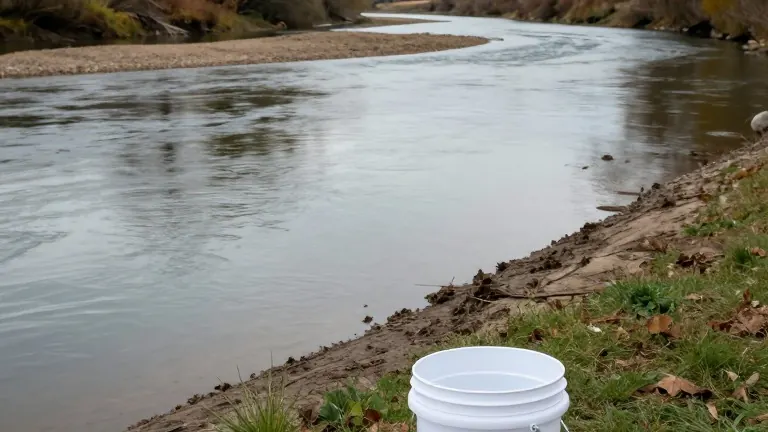
The Environmental Protection Agency reported that 38 water samples collected after the Army Ammunition Plant explosion in Middletown, Iowa, contained no detectable lead. The agency released the initial lab findings on Saturday, addressing concerns that the blast might have contaminated local water supplies. The detonation occurred last Wednesday at a stockpile site in the small town of Middletown.
Lead is a toxic metal that does not break down over time, and the EPA has established an action level of 15 parts per billion for drinking water. To provide context, the agency also shared data from 35 sources in Iowa, Illinois, and Missouri that were sampled before the explosion. Those pre-blast results showed lead levels well below the federal threshold.
The EPA noted that the tested locations were not directly in the path of the plume and consisted of untreated source water. In a news release, the agency stated it is sharing the data to maintain transparency. The group is still processing results from tap water, soil, dust, and exterior structures.
Mayor Brad Bark of Muscatine, a city roughly 50 miles north of the blast site, called the findings a reassurance for local communities. He said the town will continue to coordinate with the EPA, the Army, and state partners to monitor resident health. Bark emphasized that safety remains the primary focus for his administration.
Not all observers agreed the data was sufficient to close the case. Wally Taylor, legal chair for the Sierra Club Iowa Chapter, argued it was too early to draw firm conclusions. Taylor’s group had petitioned to pause the permit allowing the detonation. He suggested lead may have settled near the explosion site and is waiting for results from University of Iowa air monitors and other researchers.
Taylor said the lead had to go somewhere. Residents and local officials have previously criticized the Army for lacking transparency during the initial decision to detonate the unstable stockpile.