Dutch nurse spends 3 years in dementia ward to test care model
Teun Toebes moved into a closed facility in 2020 to document how residents are treated, a project that culminated in a new book and documentary.
By Pedro Tanaka ·
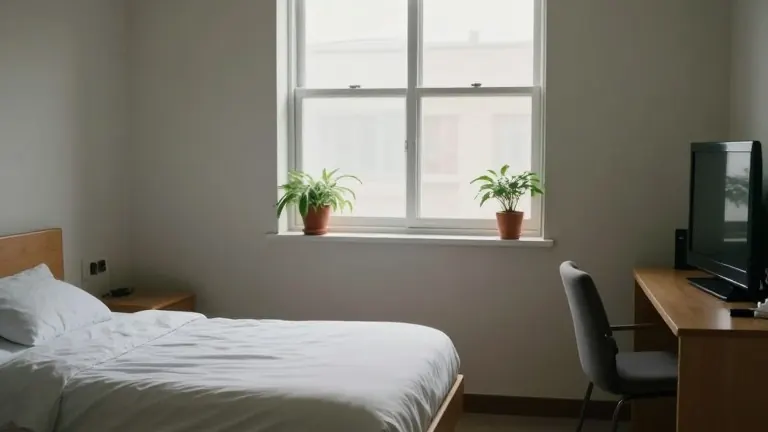
Teun Toebes, a Dutch nurse, lived in a 21-square-metre room on a closed dementia ward for more than three years. He moved into the facility in Voorhoeve, Utrecht, in August 2020 to observe daily life from the resident's perspective. His experience forms the basis of the 2023 documentary Human Forever and the book Human Forever: Searching the World for a Better Life with Dementia, which he wrote with filmmaker Jonathan de Jong.
Toebes described the environment as heavy. Residents often sat in chairs for the entire day watching television. He noted that staff treated individuals as care plans rather than people. He asked himself if this was the future he would face. He stated that most of his colleagues would not want to end their lives in such a system.
Staff at the first facility told Toebes he could come and go as he pleased. The locked doors did not restrict his movement. He maintained a double bed and several plants in his room. Every Friday, he invited other residents to his space for drinks. He said he wanted to bring humanity back to the ward. He also continued his university studies during his stay.
The experience created tension with some staff members. Toebes said he was not there to judge individuals but to understand the system. In a second facility, he suggested keeping doors unlocked to allow residents more freedom. He argued that segregation from society was the hardest part of residential care. He noted that if people cannot walk, they sit in chairs and lose muscle, which increases the risk of falling.
Toebes formed a close friendship with a resident named Ad. Ad was depressed upon arrival and felt locked up. During their time together, Ad visited Toebes to watch soccer and share stories. Toebes said Ad did not remember his name but remembered the feeling of connection. He also befriended Rob, a former cardiologist with early-onset dementia. Rob said colleagues never asked how he was doing after his diagnosis. Toebes identified the loss of social connection as Rob's most painful challenge.
The physical environment contributed to the atmosphere. Staff used artificial plants because they feared residents might eat real ones. A resident named Eugenie, who grew up in Indonesia, watered a real palm in Toebes's room. Toebes observed that a dead environment makes it difficult for people to be lively. During a heatwave, a resident named Muriel, who was born in Curacao, felt miserable because staff kept residents indoors when temperatures reached 30 degrees Celsius. Muriel told Toebes that the heat was part of who she was.
After two years in the first home, Toebes traveled to document other care models. He visited an intergenerational school in Cleveland, dementia prevention programs in South Korea, and family care communities in South Africa. In South Africa, he met Arlene, who cared for her father at home. Arlene's siblings paid her monthly for this role. Her father remained in the community, seeing neighbors and attending church weekly.
Toebes also visited a Danish facility that included plants, pets, and a real fireplace. One resident was allowed to keep a cat that slept on her neck. The pet helped her sleep without medication. Toebes said these examples should not be copied directly. He wants a cultural shift that treats elderly care as a shared responsibility rather than a health system issue. He hopes the UK's Casey Commission on adult social care, due to report next summer, will reflect this approach.
Toebes said dementia care is fundamentally palliative care. None of his housemates survived the stay. He believes the goal should be a good and normal life. He questioned whether dementia devastates life or if the stigma around it does. He said the reality is that the system must change to allow residents to maintain their connection to society.