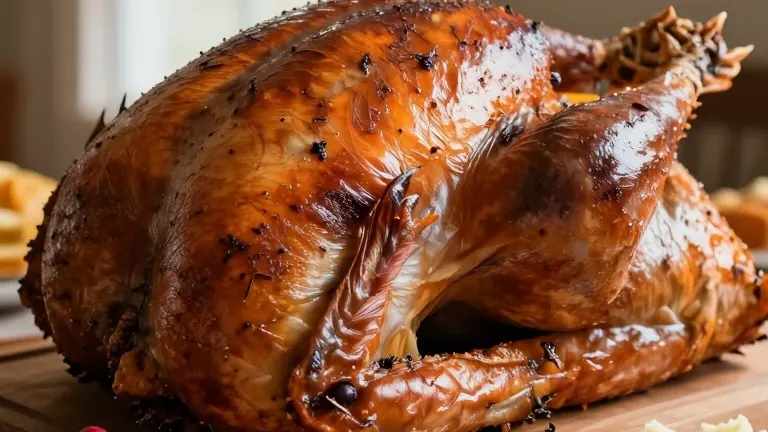
CBP to screen 17.6 million travelers for food items
The agency warns against bringing in meats and fresh produce to avoid fines during the Thanksgiving travel surge.
By Pedro Tanaka ·
Customs and Border Protection issued a warning to travelers entering the United States for Thanksgiving.
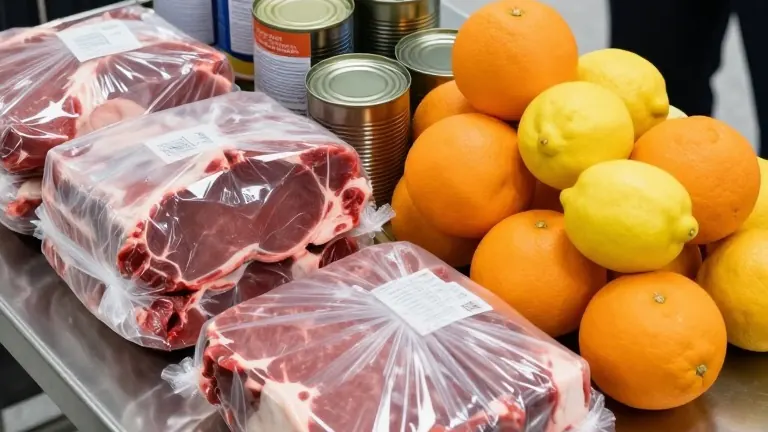
The agency listed specific food items banned from entry to prevent fines, seizures, and delays at immigration checkpoints. Prohibited goods include beef, pork, lamb, goat, chicken, and other meats. Processed items such as sausages, hams, stews, and homemade dishes containing meat are also restricted.
Most fresh fruits and vegetables are banned or restricted based on their origin. The list includes oranges, lemons, pomegranates, mangoes, and guavas.
The Transportation Security Administration expects to screen approximately 17.6 million passengers between Tuesday, November 24, and Monday, November 30. This period represents one of the busiest times for air travel in the country as families reunite for the holiday.
CBP recently seized beef, cowhide, primate meat, fruits, and canned homemade foods from passengers arriving from Cameroon and Tunisia. In one case at Washington Dulles International Airport, agents found eight pounds of cowhide and beef hidden among dry leaves in a passenger's luggage. The traveler, who arrived on Thursday, failed to declare the meats and was fined 300 dollars.
On November 4, officers discovered lemons, oranges, and about 14 pounds of unlabeled cans in another passenger's belongings. The traveler stated the cans contained homemade lamb, stew, and soup. Christine Waugh, director of CBP's Port of Entry in Washington, D.C., said travelers should check regulations before packing. She noted that while these foods are traditional in many countries, they pose risks to U.S. agriculture and the national economy.
Waugh advised passengers to declare all products they carry upon arrival. CBP also directs travelers to its holiday travel guide for details on other restricted items, including alcohol, medications, wildlife products, and cultural objects.