Turkeys not to blame for post-dinner sleep
Tufts and Dartmouth researchers say carb-heavy meals, not tryptophan, cause fatigue, while dietitians warn against trusting the nose for leftover safety.
By Lorenzo Patterson ·
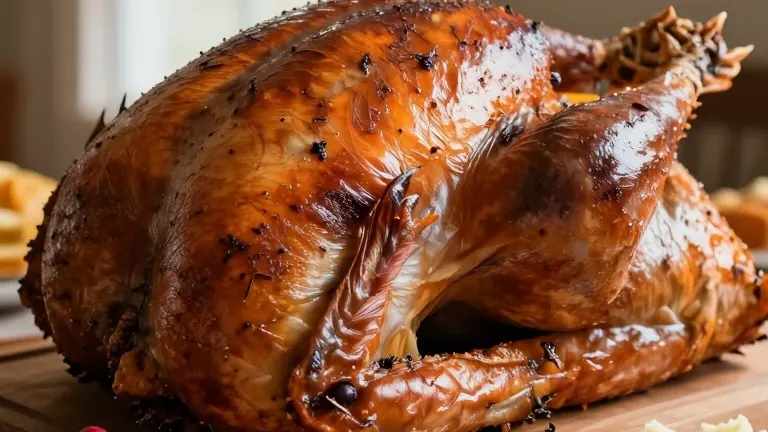
The belief that turkey triggers a post-meal coma has persisted for decades, but Tufts University researchers say the amino acid tryptophan is not the primary culprit. Kimberly Dong, an associate professor of public health at Tufts University School of Medicine, noted that turkey contains roughly the same amount of tryptophan as chicken and beef, with cheddar cheese actually containing more. The fatigue stems from the rapid absorption of carbohydrate-rich side dishes, which causes a spike in blood glucose followed by a sharp drop. Susan Roberts, a nutrition scientist at the Geisel School of Medicine at Dartmouth, added that diverting blood flow to the gastrointestinal tract for digestion leaves muscles tired, making sleepiness a natural physiological response to overeating.
Historical records confirm the presence of turkey at the 1621 feast, though the menu differed sharply from modern tables. Malka Benjamin, director of colonial interpretation at the Plimoth Patuxet Museums in Plymouth, Massachusetts, cited a letter by Pilgrim Edward Winslow as the only surviving account. The document states that Wampanoag leader Massasoit provided five deer, while the Pilgrims hunted enough fowl to feed the colony for a week. Benjamin said turkey, duck, and goose were likely served, along with seafood, squash, and nasaump, a Wampanoag porridge made from ground corn and berries. Potatoes were absent, and cranberries existed but lacked the sugar required for sauce.
Dietitians advise against skipping breakfast on Thanksgiving Day to save room for dinner. Dong explained that hunger accumulated over the day leads to ravenous eating when food is served. She recommends a light morning meal and consistent hydration. Roberts suggested a different approach, urging diners to eat high-fiber foods for two days prior to the holiday to manage hunger levels. The two experts disagree on how to handle leftovers, with Roberts arguing that hosts should reduce portions from the start. She suggested guests discard most leftovers immediately after the meal, noting that willpower fails once food is in the fridge and visible.
Food safety experts warn that the sniff test is an unreliable method for judging leftover quality. Anne Suelzer, a registered dietitian at Health Loft, said bacteria that cause illness typically do not alter the appearance or smell of food. Leftovers remain safe for three to four days if stored properly. Suelzer emphasized that the two-hour refrigeration window begins when the food leaves the oven, not when the host finishes eating. She recommended packing plates while guests are still seated at the table to ensure timely storage.
The conflict between traditional habits and scientific evidence extends to the perceived inevitability of overeating. Both Dong and Roberts rejected the notion that excessive consumption is a fixed outcome of the holiday. Dong’s strategy focuses on maintaining steady blood sugar levels through earlier meals. Roberts’ strategy relies on pre-holiday fiber intake to suppress appetite. Their differing advice on leftovers highlights a practical dilemma for hosts: managing the volume of food in the kitchen versus managing the psychology of the guest. Roberts believes the decision to keep or discard food is easiest when the diner is still full, a window that closes quickly as the meal transitions from dining room to refrigerator.