Asian equities rebound as tech sector stabilizes
Asian stock markets rose on Friday as technology and AI-related firms recovered from earlier volatility, while investors monitored geopolitical risks and upcoming US tariff proposals.
By Nikolai Morales ·
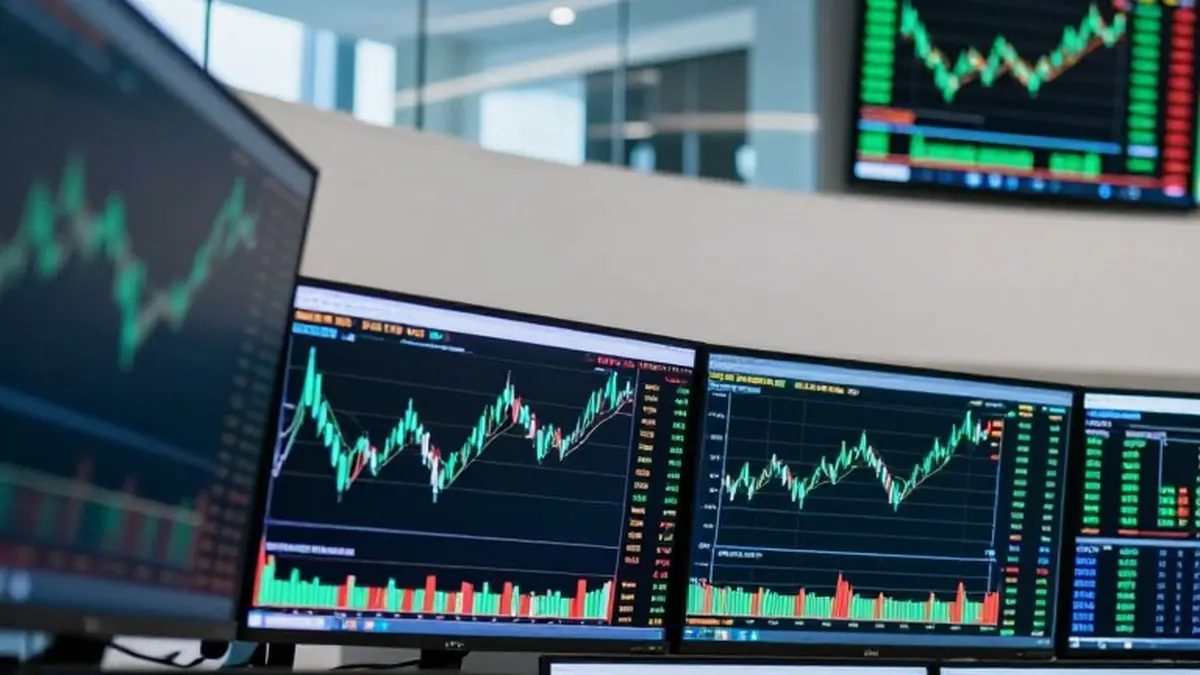
Asian stock markets opened higher on Friday, November 27, as technology firms stabilized following a period of volatility at the beginning of the week. The regional rally was driven by renewed investor confidence in the artificial intelligence sector, which had previously pushed benchmarks to new highs despite intermittent profit-taking.
In Japan, the benchmark Nikkei 225 index added 0.7 percent to close the morning session at 57,919.30. South Korea’s Kospi index saw the strongest performance among major regional markets, surging 2.2 percent to reach 4,812.65. Australia’s S&P/ASX 200 rose by 0.4 percent to 8,800.50, while Hong Kong’s Hang Seng index edged up by the same margin to 22,310.11.
Gains were also recorded in the stock exchanges of Indonesia, Singapore, and the Philippines. In contrast, New Zealand’s bourse experienced a slight decline. This downturn was attributed to political uncertainty in the country after Prime Minister Christopher Luxon’s right-wing coalition lost its parliamentary majority. A centrist party is now expected to play a decisive role in forming the next government.
Investors continued to favor stocks linked to artificial intelligence, which remained a primary driver for market growth. In Tokyo, shares of semiconductor companies such as Tokyo Electron and Advantest Corp initially dropped during morning trading but quickly recovered their losses. This resilience highlighted the enduring appeal of the semiconductor and AI sectors to traders.
With Wall Street closed for the Thanksgiving holiday on Thursday, traders entered the weekend without new business-driving catalysts from the United States. However, market participants remained cautious due to ongoing concerns about the sustainability of the AI boom. They also monitored the potential for retaliation against US President Donald Trump’s proposed tariffs of up to 20 percent on major trading partners, including China, the European Union, India, Japan, and South Korea.
Another significant factor influencing market sentiment is the upcoming decision by the Federal Reserve on interest rates next month. Speculation has intensified that the central bank may opt for a substantial 50-basis-point increase rather than the standard 25-point adjustment, adding a layer of complexity to global financial planning.
Oil prices extended their gains from Thursday, where they had risen by more than 1 percent. This upward trend was fueled by fresh concerns over escalating hostilities in the Middle East. Iran-aligned Houthis attacked a Saudi refinery, temporarily halting some operations, following an earlier strike on another Gulf hub earlier in the week.
In corporate news, Japan Tobacco shares rallied by more than 4 percent in Tokyo. The rise followed reports that the company is considering a merger with US giant Altria for the purpose of acquiring Britain’s Imperial Brands. Imperial Brands shares had already jumped 13 percent in London on Thursday, reflecting strong market interest in the potential deal.
Japan Tobacco is currently navigating a significant financial challenge after sustaining an $8.9 billion hit. This loss occurred after the Russian government seized all seven of the company’s local subsidiaries. The move came as relations between Tokyo and Moscow worsened following the arrest of a Japanese journalist on spying allegations.