Army Plans Emergency Detonation in Iowa
The military intends to bypass a federal court freeze to destroy unstable lead azide barrels before cold weather increases the risk of an uncontrolled explosion.
By Pedro Tanaka ·
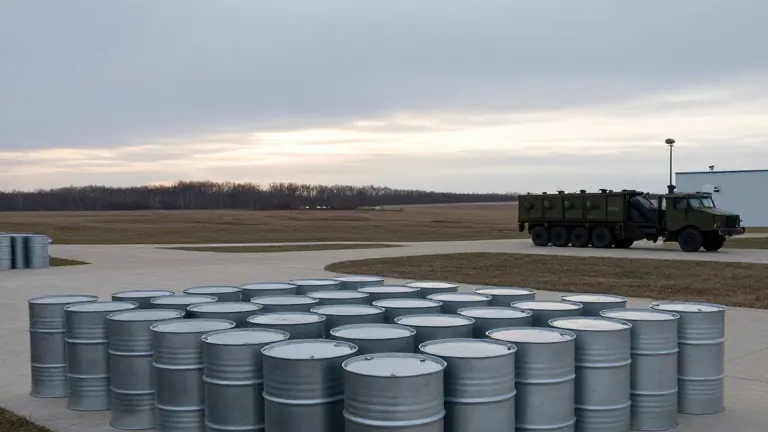
The U.S. Army operates the Iowa Army Ammunition Plant in Middleton, a facility where workers discovered 68 barrels of degraded lead azide in March. Now, with winter temperatures approaching, the military prepares to destroy the hazardous material in a controlled blast.
Army officials announced on Sunday that they will invoke emergency provisions to detonate the chemicals despite a court order halting the process. The U.S. Court of Appeals froze the Army’s environmental permit on Thursday. However, the government argues that falling temperatures create an immediate threat to safety and the environment.
Local temperatures are expected to drop below 30 degrees in the coming days. Army lawyers state that unstable chemicals pose a greater risk of exploding naturally if left in place. They claim that the emergency munitions and explosives exception to federal environmental laws allows them to proceed without the standard permit because of this immediate threat.
The detonation date has shifted twice already. The service initially planned to blow up the barrels on Friday. Residents, environmental groups, and Iowa Governor Kim Reynolds requested a delay. The Army postponed the action to Monday and then to at least Wednesday. Acting Secretary of the Army Adam Telle directed the postponement to the latest possible moment before the forecasted temperature drop.
Environmental groups, including the Iowa Environmental Council, Sierra Club, and Earthjustice, filed the lawsuit to stop the blast. They argued the Army failed to give adequate notice and did not fully consider safer alternatives. Earthjustice attorney Thien Chau said the military appeared focused on sidestepping the judicial process rather than meeting public demands for transparency.
The Environmental Protection Agency told the Army that transporting the drums could increase the chance of an accidental fatal detonation. The EPA determined that a controlled blast posed the lowest risk to the public. An advisory warns that the explosion will release an air plume containing lead particles that will settle on the ground, potentially affecting people and animals.
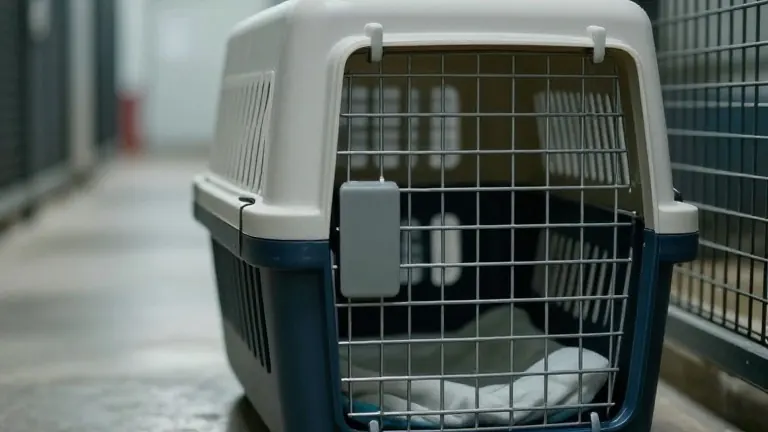
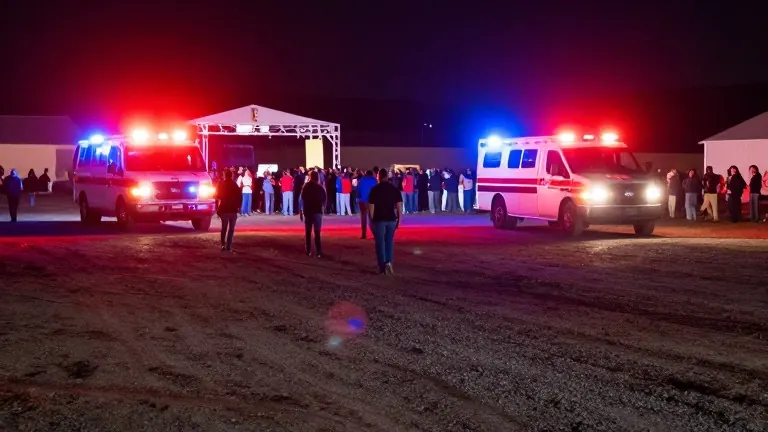
Officials have urged residents in Middleton and nearby areas to stay inside and keep windows and doors closed during the blast. They also advised people to bring pets and livestock indoors. Some schools canceled classes and local businesses closed on Friday ahead of the original schedule. It remains unclear exactly when the Army will pull the trigger.