Spain's set lunch costs 14.70 euros as weekly servings drop to four million
A new book examines the origins and current economic pressures facing the midday meal, which is losing ground to faster dining options.
By Nikolai Morales ·
The daily set lunch in Spain is facing rising costs and falling demand. The average price for a menú del día has reached 14.70 euros, while weekly servings have declined to four million. This shift marks a departure from the mid-20th century norm when the meal was a staple for workers across the country.
The tradition originated in the mid-1960s as a tool to attract tourists. Manuel Fraga, the information and tourism minister under dictator Francisco Franco, mandated that restaurants offer a fixed-price meal. The menu was designed to show foreign visitors that food in Spain was plentiful and affordable. It required a soup starter, a main dish of egg, fish, or meat from at least three options, and a pudding. The accompanying quarter-litre of wine had to be pure Spanish red or white with at least 12% alcohol.
Food journalist Lakshmi Aguirre explores these origins in her new book, Menú del Día: Everyday Scenes of a First Course, a Second Course and Pudding. She notes that many Spaniards are unaware of the menu's state-engineered beginnings. Aguirre said, "It says a lot about us Spaniards; we forget very quickly." She argues the tradition is under pressure but not extinct, with nostalgia growing as the habit fades.
Economic factors are driving the decline. Rising energy and food costs make it difficult for small, family-run restaurants to maintain a rotating daily menu. Many establishments have switched to a single dish of the day or added Latin American staples to reflect demographic changes. Consumers are also opting for quicker options, such as packed lunches or supermarket ready meals, which saves time but reduces the social aspect of dining out.
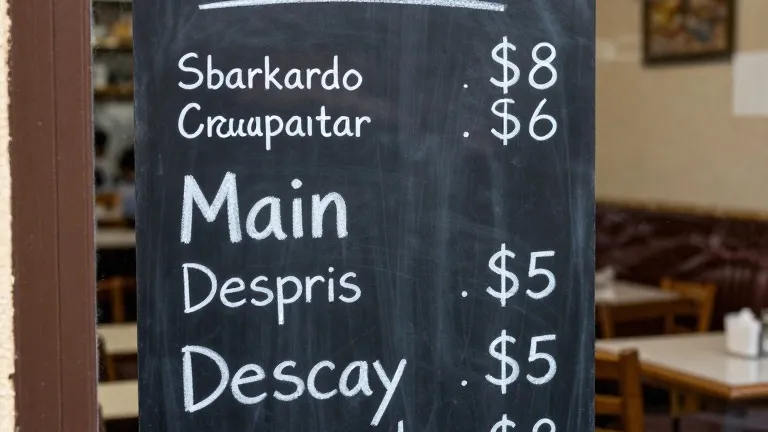
Aguirre identifies specific indicators of a healthy menu venue. She looks for simple dishes, a changing menu, and non-frozen chips. She advises avoiding restaurants that prominently feature words like avocado, burrata, or truffle on their chalkboards. The presence of regulars and even children doing homework at a back table are positive signs that the space serves the community rather than just tourists.
The menú del día serves a social function beyond nutrition. It provides a gathering place for families with limited budgets and companionship for those who live alone. Aguirre states, "What's being lost is a meeting point." She emphasizes that the value of the meal lies in having the time to enjoy it, not just in the affordability of the food.
Source: The Guardian