Mumbai Attacks: 175 killed in four-day siege 18 years ago
Lashkar-e-Taiba militants targeted the Taj Mahal Palace hotel, Trident hotel, and Chhatrapati Shivaji Maharaj Terminus, marking the deadliest attack on Indian soil in decades.
By Lorenzo Patterson ·
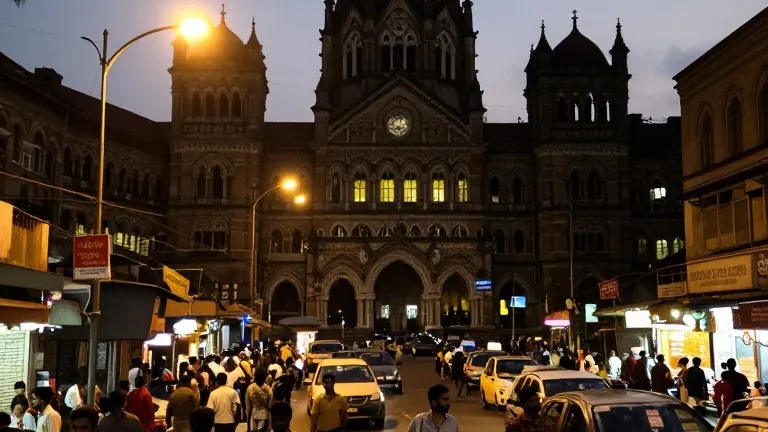
Militants from the Pakistan-based group Lashkar-e-Taiba began a coordinated assault on Mumbai, India, on November 26, 2008. The attackers targeted the Taj Mahal Palace hotel, the Trident hotel, the Oberoi hotel, a popular restaurant at the Leopold Cafe, and the Chhatrapati Shivaji Maharaj Terminus railway station.
The siege lasted four days before Indian security forces neutralized the threat. At least 175 people died in the attacks, including nine of the 10 militants who carried out the operation. The 10th attacker was killed in a shootout with police in Narmada, Gujarat, before the main assault began.
Indian Prime Minister Manmohan Singh addressed the nation from the Prime Minister's Office, pledging to find and bring the perpetrators to justice. The attack marked the deadliest single attack on Indian soil since 1993, when bombings in Mumbai killed 257 people.
The militants, many wearing explosive belts, moved through the city with military precision. They held hostages for days, forcing police to conduct slow, careful clearances to avoid triggering the belts. The Taj Mahal Palace hotel saw some of the fiercest fighting, with gunmen holding positions in the lobby, the restaurant, and the upper floors.
The Indian government deployed the National Security Guard and the Central Reserve Police Force to secure key locations. By the evening of November 29, all 10 attackers had been killed or captured. The attack led to a significant overhaul of India's counterterrorism laws and the creation of a National Investigation Agency.
The event also intensified tensions between India and Pakistan, with New Delhi accusing Islamabad of failing to prevent the attacks. A joint investigation by both countries concluded in 2010, with Pakistan agreeing to hand over its share of the evidence to India.
The Mumbai attacks of 2008 remain a defining moment in modern Indian history, reshaping the country's approach to urban security and counterterrorism. The city has since upgraded its security infrastructure, including the installation of bulletproof glass in major hotels and the deployment of more police in high-profile areas.