Mamdani unveils strategy to shutter Rikers Island by 2032
The new plan relies on cutting the inmate population by nearly 30 percent and shifting custody to four new borough jails.
By Pedro Tanaka ·
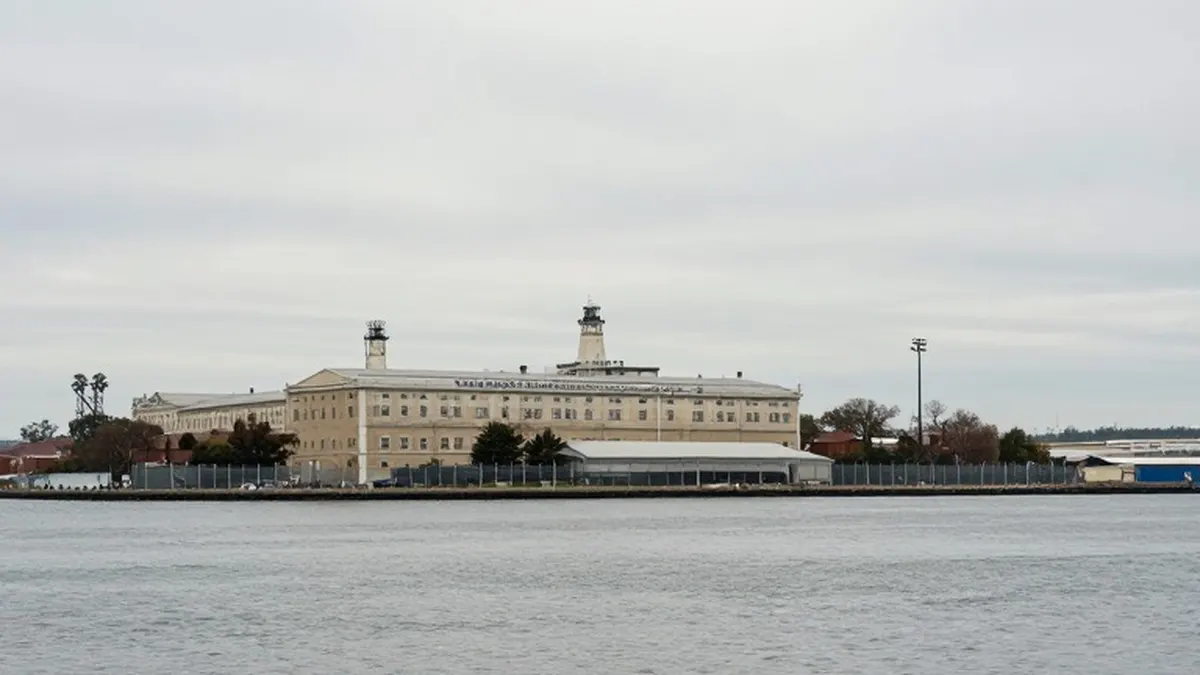
New York City Mayor Zohran Mamdani announced a formal plan on Friday to close the Rikers Island jail complex by 2032. The strategy marks a definitive end to the facility, which has long been viewed as a symbol of dysfunction within the city's criminal justice system. Mamdani, a Democrat, has been a vocal advocate for the closure, and his administration is now moving to implement the changes despite previous political hurdles.
The city is currently facing a legal mandate to replace Rikers with four smaller, more modern facilities by 2027. However, city officials are all but certain to miss that deadline. The new timeline extends the closure to 2032, allowing for a phased transition that prioritizes a significant reduction in the number of people held in custody before the island is fully decommissioned.
For years, the Rikers complex has been plagued by overcrowding and violence. The conditions were so severe that a federal judge appointed an outside manager to restore order, describing the environment as abnormal and unacceptable. This history of instability has driven the push for a complete overhaul of how the city manages its pretrial detainees and short-term inmates.
The core of Mamdani’s proposal involves lowering the inmate population from the current figure of more than 6,500 to approximately 4,500. To achieve this, the administration is introducing a range of diversion and supervised release programs. These initiatives are designed to prevent recidivism by expanding access to housing and social services, ensuring that individuals are supported in the community rather than held in detention.
Administrative reforms are also part of the package. The plan includes restoring an online bail payment system to streamline the process for defendants. Additionally, the city aims to reduce case delays through various procedural measures, which will help keep more people out of jail while their legal matters are resolved.
Mamdani emphasized the urgency of the change in a public statement, declaring that it is time to finally close the island. He noted that for decades, New Yorkers have demanded a correctional system that is both safe and humane. The mayor framed the closure as a legal and moral obligation, citing the need to serve the people in custody, the staff who work there, and the broader community.
Under the new structure, inmates will be moved out of the island facility and into jails located in the boroughs of the Bronx, Queens, Brooklyn, and Manhattan. A handful of medical facilities will also be utilized for individuals who require specific healthcare or psychiatric treatment. The administration plans to reduce the number of beds available for women, diverting many of them into community-based programs instead.
The rollout of the new borough jails will occur over several years. According to City Hall, the facility in Brooklyn is expected to open in 2029. The jails in the Bronx and Queens will follow in 2031, with the Manhattan facility opening in 2032. This staggered approach is intended to ensure that each new site is fully operational and staffed before the transfer of inmates begins.
The move to close Rikers follows a long history of activism and legislative action. In 2019, the New York City Council voted to close the complex, which had housed inmates since the 1930s. Lawmakers at the time invoked the names of former prisoners who died, including Kalief Browder, who took his own life at age 22 after spending three years at the facility. While the council had previously called for shrinking the jail population, the plan had faced opposition from critics who argued that releasing more people would lead to increased crime on the streets. Mamdani’s administration now seeks to address these concerns through the expanded social service programs included in the new strategy.
More News · National news · Report a business · Got a Story?