Forensic scientist claims Epstein autopsy images point to likely homicide
A forensic medicine expert says injuries seen in Jeffrey Epstein's autopsy images are inconsistent with suicide and indicate he was likely killed in jail.
By Lorenzo Patterson ·
A forensic medicine expert has challenged the official conclusion that convicted sex offender Jeffrey Epstein died by suicide in prison, arguing that autopsy images instead point to a likely killing behind bars.
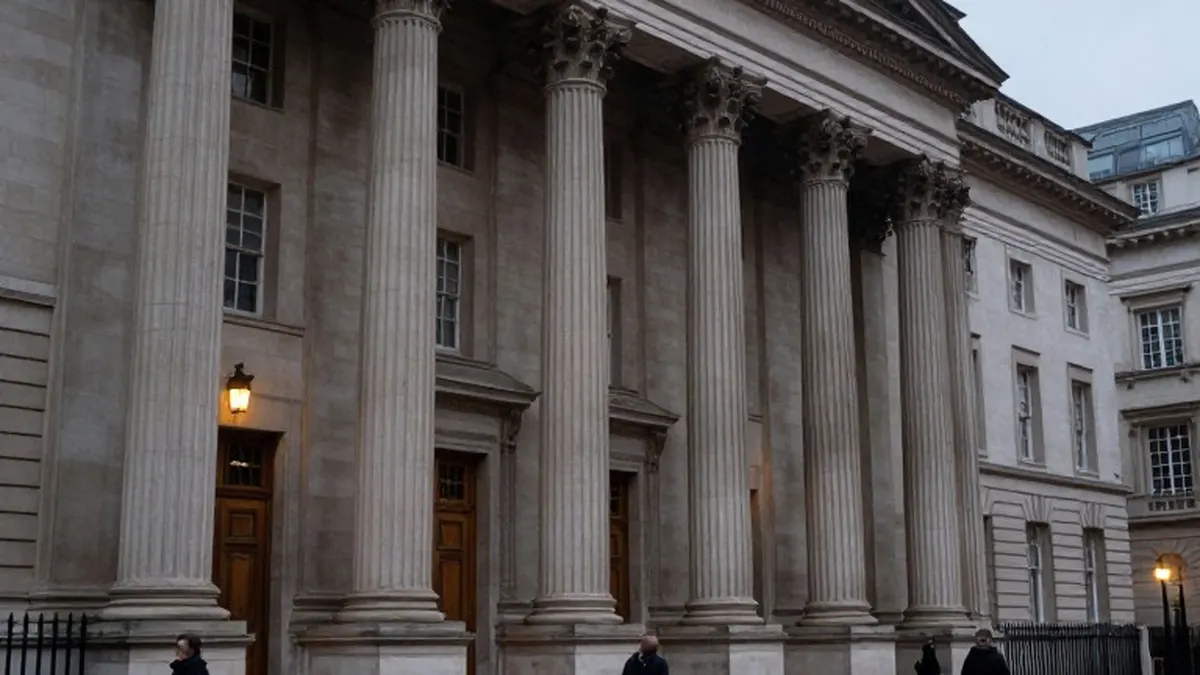
Michael Freeman, a professor holding doctorates in both epidemiology and forensic medicine, presented his findings on Monday at Middle Temple, a legal society in London, and also published his research online.
"The injuries and the way the body was found don't match up," Freeman told the BBC on Monday. "There's only one remaining explanation then, and that is that the death was as a result of a homicide."
Epstein's 2019 death in a cell at the Metropolitan Correctional Center in New York City was ruled a suicide, but numerous security lapses at the jail and missing CCTV footage have fueled persistent doubts about the official account. In 2025, the FBI and Justice Department issued a memo seeking to debunk prominent conspiracy theories about the disgraced financier, concluding after what they called an "exhaustive review" that Epstein was not murdered, did not blackmail prominent figures, and did not keep a "client list." The agencies said video footage from the area where he was held showed no one entering or attempting to enter his cell between the time he was locked in at night and the discovery of his body the next morning.
Freeman said the autopsy images, which were given to him by Epstein's brother Mark Epstein, are not consistent with suicide. He noted that Mark Epstein did not pay him and that he never saw the body. According to The New York Times, Freeman has tried to publish his findings in a peer-reviewed journal but has been rejected by several.
"The pattern and distribution and multitude of injuries are not explained by a suicidal hanging," Freeman told the Times. Speaking to the BBC, he pointed to signs he said indicate Epstein was assaulted, including a hemorrhage on his left shoulder, fingernail marks above the ligature mark on his neck, and an abrasion at the base of his neck. He faulted investigators for failing to collect DNA from underneath Epstein's fingernails.
Freeman told the BBC the evidence he reviewed is "consistent with strangulation, particularly from behind. And the attempt by the victim to try to remove the ligature from the neck." He said he had no idea who may have killed Epstein and that the question is not part of his research.
Officials have repeatedly determined that Epstein, who was facing charges of trafficking underage girls for sex, killed himself in a New York jail in August 2019. In a 2023 interview, convicted sex trafficker Ghislaine Maxwell, who received a 20-year sentence for helping Epstein abuse girls, said she believed he was murdered in prison. A forensic pathologist hired by Epstein's brother also said in 2019 that multiple fractures found in his neck were "very unusual for suicide."
Two prison guards on duty the night Epstein died admitted to falsifying records and were charged in 2019 over their alleged failure to monitor him, but federal prosecutors dismissed the charges in late 2021 after the pair completed community service under an earlier legal agreement. In May of this year, US District Judge Kenneth Karas released a suicide note purportedly written by Epstein weeks before his death, after a request by The New York Times. Epstein's cellmate has said he found the letter in a book following a failed suicide attempt by the financier. "It is a treat to be able to choose one's time to say goodbye," the note read.
The Epstein saga has continued to reverberate through American and British politics, as documents tied to the expansive investigation into the financier's life have been released in recent months.