Fincher Says Only 5% of 'Cliff Booth' Used Automated Dialogue Replacement
The director defended the use of AI to separate performance and line delivery, claiming it reduces the number of takes required on set while keeping human actors central.
By Lorenzo Patterson ·
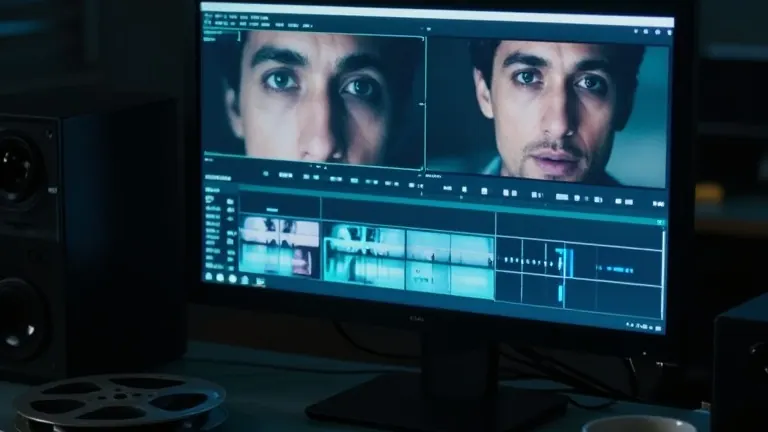
Only 5% of the film 'The Further Mis-Adventures of Cliff Booth' relied on automated dialogue replacement, according to director David Fincher. The remaining post-production work used AI to sync the best audio line with the best visual performance when the two did not align during the original shoot.
Fincher discussed these methods on The Ringer’s 'Big Picture' podcast, hosted by Sean Fennessey. He explained that the technology allowed the team to separate what is seen from what is heard. He compared the process to working with plasticine rather than chiseling marble, giving the crew freedom to select the strongest eye line and ear line independently.
The director said this approach freed the cast from excessive re-recording sessions. Actors spent only four or five days in the studio re-recording dialogue above the scenes. Fincher stated that the rest of the adjustments were handled by AI to re-lip the actors, a method he described as freeing up the production from technical constraints.
He envisioned a future workflow where crews still hire large teams to handcraft sets and shoot master takes. However, he predicted directors could reduce the number of repetitions needed to fix technical errors. Fincher cited issues like missing focus, stray hair, or lighting artifacts that AI can correct without requiring the actor to repeat the performance 20 or 25 times.
The comments arrived days after early viewers of the Netflix release noted specific instances of generative AI. Some audiences pointed to a flashback scene where a horse carriage appeared to have two wagons. One viewer described the sequel as being overshadowed by what they considered the most blatant AI use in a studio film.
Fincher and Netflix have not addressed those specific visual errors. In an interview with the Los Angeles Times last week, Fincher questioned the necessity of reverting to older methods. He noted that painting has existed for 40,000 years, while cinema is only a hundred years old, and asked why the industry should stop iterating on new tools.
Netflix has expanded its use of artificial intelligence in film production. The company purchased Ben Affleck’s AI startup InterPositive for $587 million in March. In August, the streamer reported that more than 300 programs in its catalog used some level of generative AI this year.