EU and UK announce new trade and mobility pacts in Brussels
Leaders from the European Union and the United Kingdom unveiled agreements aimed at simplifying trade and boosting youth exchange, marking a significant shift in post-Brexit relations.
By Lorenzo Patterson ·
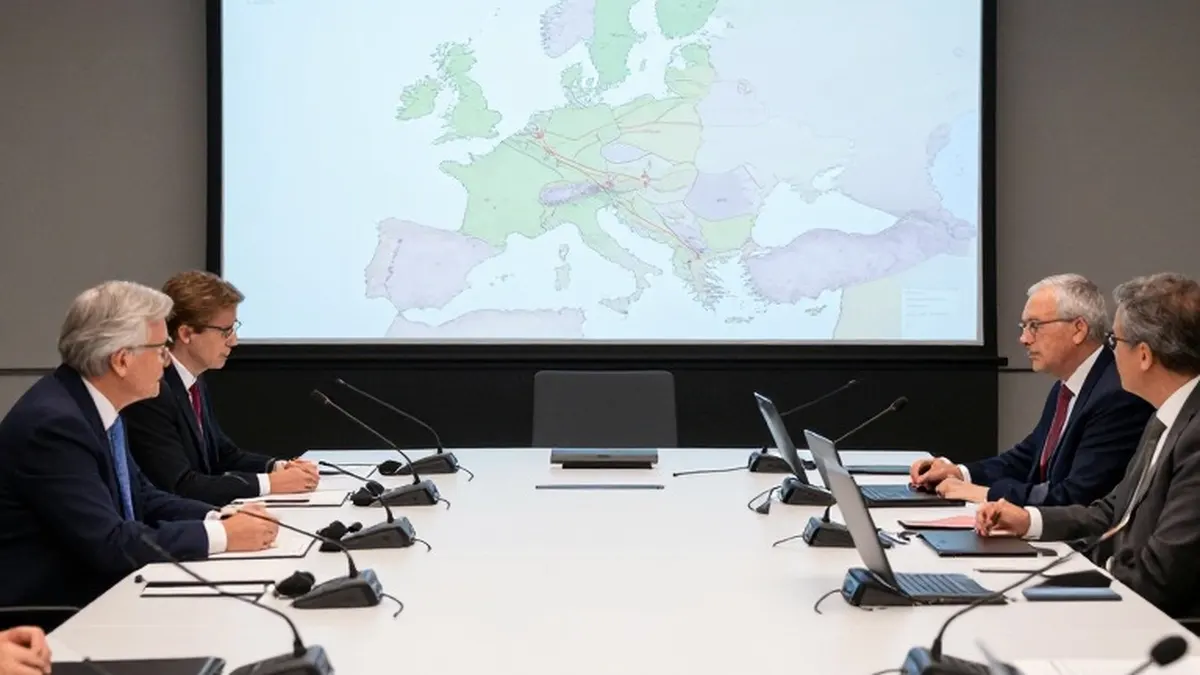
European Union leaders and United Kingdom Prime Minister Andy Burnham formally announced a series of agreements on trade and youth mobility during a summit held in Brussels on Friday. The developments are being viewed as a potential first step toward rebuilding the relationship between the two blocs, now a decade after Britain voted to leave the European Union. The summit brought together top officials from both sides to address longstanding issues in their partnership.
During the meeting of delegations, Prime Minister Burnham described the outcome as a landmark agreement. European Commission President Ursula von der Leyen characterized the moment as a turning point in relations between the two parties. Burnham expressed his optimism by stating that it was a good day for both Britain and Europe, signaling a positive tone for the negotiations.
European Council President Antonio Costa addressed the joint press conference by noting that the EU respects Britain’s original decision to leave as well as its current choice to strengthen ties. In a lighthearted remark, he compared the two entities to drivers on opposite sides of the road, emphasizing that what matters most is that they are heading in the same direction despite their differences.
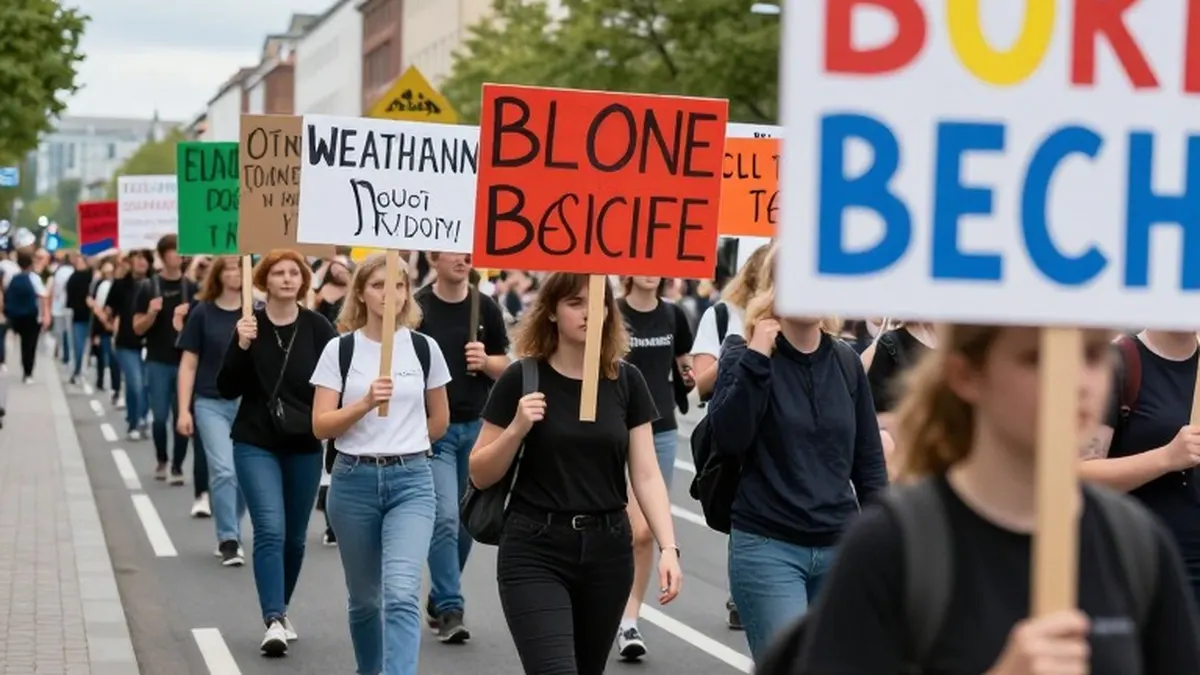
The new frameworks place a strong emphasis on the future of young people. Burnham stated that the deals were designed with young citizens in mind, arguing that Brexit had previously taken opportunities from them. He asserted that the new agreements aim to open up fresh possibilities and improve life chances for the younger generation. Von der Leyen echoed this sentiment, saying the youth experience project would open horizons and create lasting friendships.
Beyond youth mobility, the leaders discussed the implications for commerce. Von der Leyen described the trade agreement as a two way street that would provide customers with more choice. She also highlighted the agreement on the carbon market, noting that it would help cut emissions and generate investments in cleaner industries. Additionally, she announced that Britain will rejoin the Erasmus+ program, adding with a touch of nostalgia that the EU had missed the British participants.
Three specific agreements were the focus of the Brussels discussions. The first aims to simplify food exports by reducing bureaucratic red tape for British companies. The second links the emissions trading systems of the UK and the EU. The third establishes a youth experience scheme that allows young people to travel between the two regions for work and study without facing existing visa requirements.
A significant condition for these agreements to take effect is a future deal on university tuition fees. The EU stated that the other initiatives would only become active if the UK agrees to lower tuition fees for EU students to the same level paid by British students. According to reports from the DPA news agency, citing EU diplomats, the two sides had already agreed on these initiatives shortly before the summit began. Officials aim to reach a final agreement on the tuition issue within the next six months.
Prime Minister Burnham has recently been advocating for a closer relationship with the continent. In September, he suggested he could campaign to take Britain back into the bloc at the next election. Upon arriving in Brussels, he stated that Britain and Europe share values and interests, and that they are stronger together in a more dangerous world. He also noted on Monday that it was an obvious truth that Britain had lost more than it had gained from Brexit.
Public opinion in the UK has shifted notably in recent years. Polling data from YouGov indicates that since mid-2022, a majority of surveyed individuals believe Britain was wrong to leave the EU. In September, the share of people holding this view, often referred to as the Bregret camp, rose to 60 percent, which is the highest level recorded so far.