Bush-Appointed Judge Strikes Down Trump Rule Restricting International Student Visas
A federal judge in Massachusetts found that the Department of Homeland Security exceeded its authority by imposing fixed time limits on visas for international students, exchange visitors and foreign journalists.
By Lorenzo Patterson ·
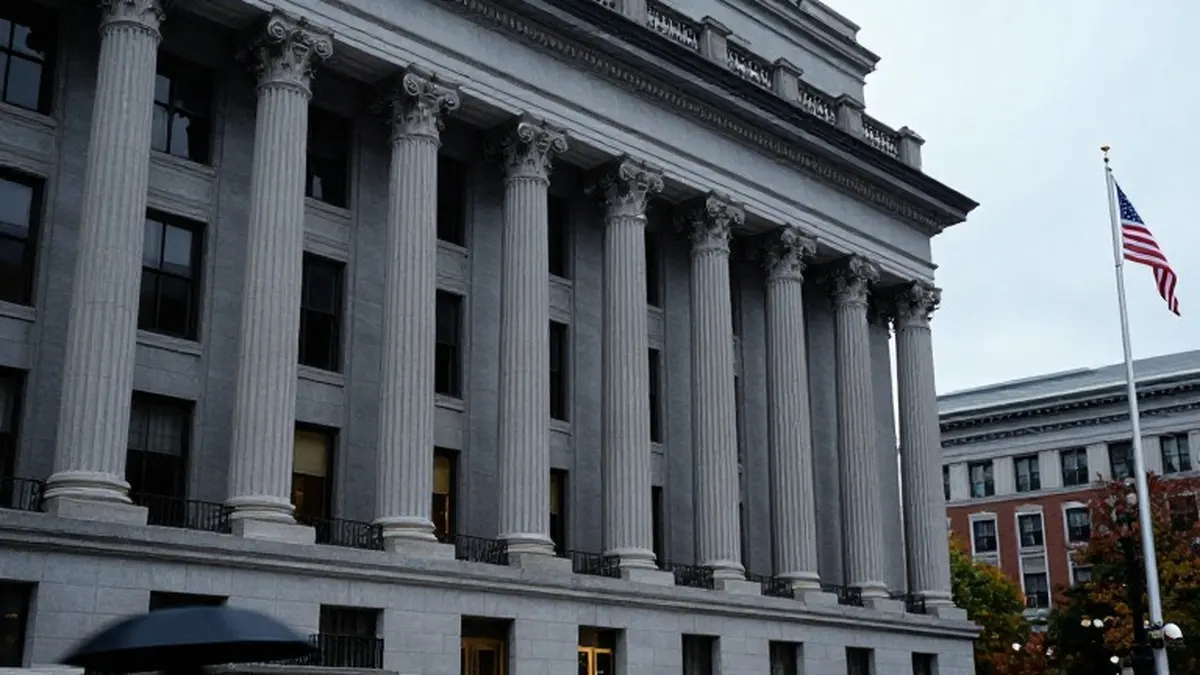
A Trump administration immigration rule aimed at tightening oversight of the visa system has been struck down by a federal judge appointed by former President George W. Bush, delivering another courtroom defeat to the White House's broader effort to crack down on immigration.
District Judge F. Dennis Saylor IV of Massachusetts ruled on Monday that the Department of Homeland Security overstepped its authority when it issued a rule placing greater restrictions on visas for international students, exchange visitors and foreign journalists. The decision is a victory for the labor unions and university presidents that sued to block the measure.
The rule would have replaced a longstanding policy under which international students could remain in the United States without a fixed time limit, so long as they stayed enrolled in a university and otherwise maintained legal status. In its place, DHS sought to cap stays at a fixed period, generally four years, and to require students to apply for extensions to continue their studies. The measure also imposed new restrictions on transferring schools, changing academic programs and pursuing additional degrees, and subjected students to extra immigration reviews intended to combat fraud and national security threats.
In his ruling, Saylor rejected the department's rationale. "DHS acknowledges that there are legitimate reasons why a student may pursue another academic degree at the same or lower level as the one he or she has completed," the judge wrote, noting that the rule would effectively bar such a student from entering the country. He added that the reasons DHS offered, protecting national security and preventing fraud, "are not reasonably related to the nature and purpose of the F-1 visa program."
"Put bluntly, DHS is seeking to prevent or discourage the very activity, providing educational opportunities for foreign students in the United States, that Congress sought to permit and encourage," Saylor continued. "The statute simply does not grant DHS such broad and open-ended authority to undermine the F-1 visa program."
Saylor had already blocked the rule from taking effect in September. Monday's decision went further, invalidating it entirely after the judge concluded that DHS violated federal administrative law. Lawyers for the department had argued that indefinite admission periods prevent immigration officials from periodically reassessing whether foreign nationals are complying with the terms of their visas, and that mandatory extensions would create more opportunities to detect fraud, security risks and immigration violations, risks the agency said were documented by past cases of abuse in the student visa system.
A DHS spokesperson sharply criticized the decision in a statement to Fox News Digital, dismissing the reaction to the rule as performative outrage and arguing that foreign nationals had abused the system and violated the terms of their student visas. The spokesperson said the administration's crackdown on fraud was meant to ensure that only those truly intending to study in the United States receive that privilege.
Saylor, however, found that the department failed to show its approach would improve on existing fraud detection tools. DHS currently relies on the Student and Exchange Visitor Information System, a federal database that tracks international students' enrollment, immigration status and compliance through information reported by schools and program sponsors. The agency contended the database is merely a reporting system for schools and was not built to perform all relevant fraud and security screening. The judge countered that DHS had not adequately explained how a discretionary renewal system, applied after a student had already spent four years in the country, would meaningfully enhance fraud detection or justify abandoning the existing system.
Saylor was identified as a Republican in a 2014 profile, which noted his close ties to former Massachusetts Gov. Mitt Romney and reported that he had been considered for a position in the Bush administration. He was confirmed by the Senate on a bipartisan vote that included support from Democratic Sen. Ted Kennedy, who praised his fair-mindedness and independence. DHS did not tell Fox News Digital whether it plans to appeal the ruling.
More News · National news · Report a business · Got a Story?