Apple's Original iPod Marked a Cultural Shift Two Decades Ago
The 2001 release of the 5GB music player redefined portable audio and established Apple's dominance in consumer electronics before the smartphone era.
By Pedro Tanaka ·
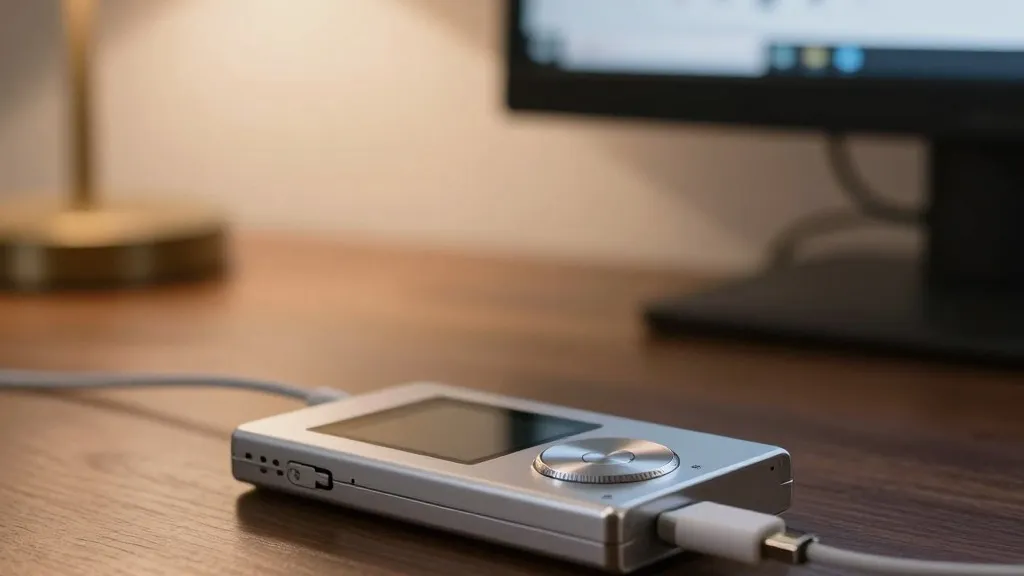
Twenty-five years ago today, Apple fundamentally changed how consumers interacted with personal music. The launch of the original iPod in October 2001 marked the beginning of a product line that would dominate the market until smartphones eventually rendered it obsolete.
The device arrived at a pivotal moment for the Cupertino-based company. Steve Jobs had already guided Apple through the dot-com bubble burst by revitalizing its fortunes with the Mac OS X era, iBooks, and iMacs. He envisioned the Mac as the central hub for a digital lifestyle that connected cameras, DVD players, and portable devices. Despite competition from established names like Sony and Creative, Jobs argued that no rival had yet found the right recipe for digital music. He identified hard disk-based players as the optimal market entry point, distinguishing them from CD players, MP3 CD players, and flash-based devices.
The first iPod was priced at $399 and featured 5GB of storage capacity. This space allowed users to hold approximately 1,000 songs, which Jobs described as an entire music library for most people. The device was engineered to be ultra-portable, measuring 2.4 by 4 by 0.78 inches and weighing just 6.5 ounces. This compact form factor was made possible by a Toshiba 1.8-inch hard drive that was only 0.2 inches thick. The design was minimal and durable, incorporating a piezoelectric clicker for tactile feedback that enabled one-handed operation via an accelerated scroll wheel.
Performance was a key differentiator, particularly regarding data transfer speeds. The iPod was the first music player to utilize FireWire 400, a connection that Jobs claimed could transfer a full CD of music in five to 10 seconds. By comparison, USB connections of that era took about five minutes for the same task. Filling the entire device with 1,000 songs took roughly 10 minutes on the iPod, whereas a USB player required five hours. The device also offered 20-minute skip protection and a rechargeable lithium-polymer battery that provided 10 hours of continuous playback.
Software integration played a crucial role in the device's success. iTunes 2 launched simultaneously with the hardware, introducing features like MP3 CD burning and Auto-Sync. This feature ensured that music libraries curated on a Mac remained synchronized with the portable player during charging or transfer sessions. The iPod also functioned as a FireWire hard disk drive, adding utility beyond music playback. During the unveiling presentation, Sarah McLachlan's Building a Mystery was used as the demonstration track.
The original model launched in October 2001, and the product line remained a staple of Apple's portfolio for nearly two decades. The first iPhone arrived in early 2007, and both devices coexisted in the market for over ten years. While the iPod's relevance declined as smartphones matured, the line persisted until the 7th-generation iPod Touch was released in May 2019. Apple officially discontinued the product line in May 2022, closing a chapter that began with a simple promise to put a user's entire music collection in their pocket.
Source: Tom's Hardware · original report published