Ukraine's anti-corruption chiefs warn of campaign to destroy public trust after Operation Carthage
The heads of NABU and SAPO say the second phase of the Carthage investigation has earned them so many enemies among clans, business groups and political forces that their institutions face the most dangerous moment in their history.
By Nikolai Morales ·
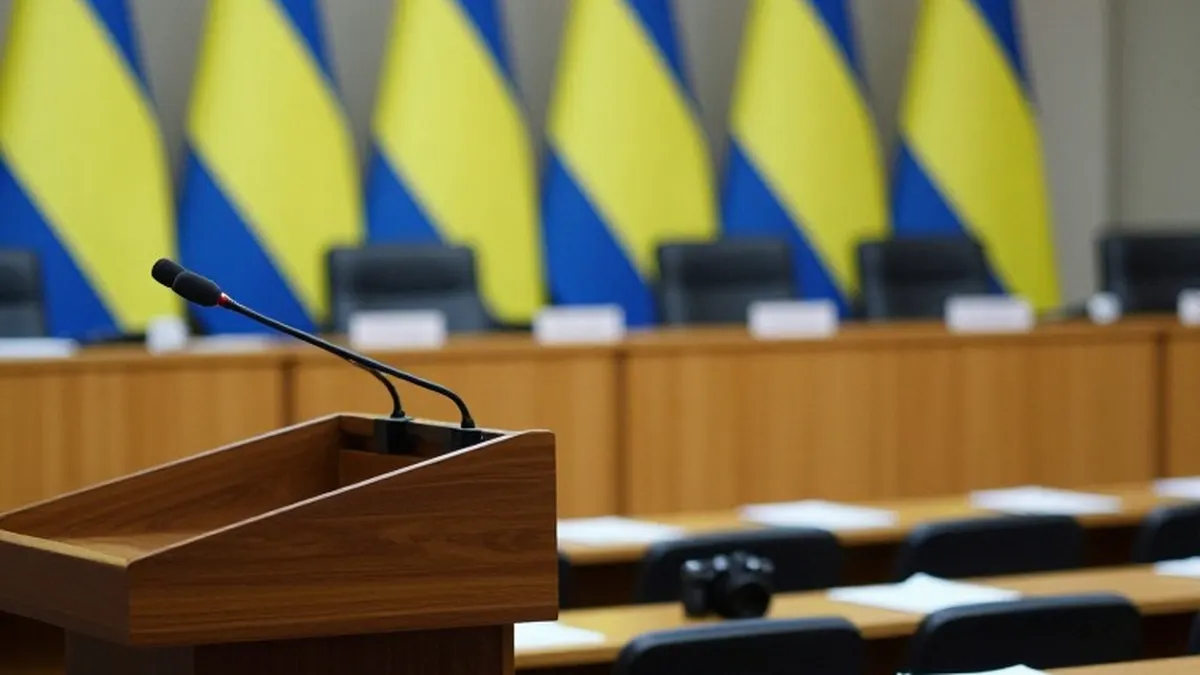
The leaders of Ukraine's anti-corruption institutions have warned that information operations are being prepared to erode public trust in the National Anti-Corruption Bureau of Ukraine (NABU) and the Specialised Anti-Corruption Prosecutor's Office (SAPO) over their handling of the Carthage case.
Speaking on 17 November at the Resilience in Action: People, Rights, State forum, NABU Director Semen Kryvonos said the backlash following the second stage of Operation Carthage had been severe. "We have made so many enemies that we are currently in the most dangerous situation in the entire history of our existence," he said, as quoted by Interfax-Ukraine.
Kryvonos said that many clans, financial-industrial groups and political forces now view the two agencies with open hostility and would seize any chance to attack what he called the primary weapon of NABU and SAPO: public trust. He appealed to Ukrainians not to lose faith in the anti-corruption bodies, promising that "for our part, we will continue to inform the public and press forward."
The NABU chief also said civil society can press the authorities to deliver necessary reforms, arguing that when public pressure is loud enough, there is no room left to debate whether parliament will grant the head of SAPO the right to register cases against lawmakers in its current convocation or only in 30 years' time.
SAPO Head Oleksandr Klymenko revealed that two months before Carthage-2 was made public, he was "strongly advised not to move in that direction in order to halt this investigation." He stressed that the probe will go ahead and that investigators "will strive to identify everyone involved in the activities of both these drug cartels and those from the Security Service [of Ukraine]."
Kryvonos concluded that the threat facing the agencies is entirely real, saying investigators more or less understand the plan against them. He predicted a wave of claims about Russian influence and information operations, adding that certain political forces and individual politicians are already joining in. He urged the public to follow events closely, consume information critically and see the case through to the end, promising there would be much more of interest to come.
On 4 November, sources told Ukrainska Pravda that searches were carried out targeting representatives of the Security Service of Ukraine (SSU) and the National Police as part of Operation Carthage. Acting under the procedural guidance of SAPO prosecutors, NABU detectives notified five members of a criminal organisation of suspicion. The group is accused of systematically providing undue benefits to high-ranking law enforcement officials in exchange for the undisturbed operation of fraudulent call centres and other illegal businesses.
The pre-trial investigation established that serving senior officials from the SSU, the National Police and the Prosecutor General's Office, alongside figures from the criminal underworld, were involved in activities allegedly run by a previously repeatedly convicted individual, Andrii Osipov. These included facilitating call centres that scammed Ukrainian and foreign citizens, drug sales, and the illegal production of counterfeit cigarettes and foreign currency. Members of the organisation are also suspected of involvement in assaults, abductions and inflicting bodily harm in the group's interests.
The suspects named in the case are Osipov, described as the organiser; Serhii Duka, First Deputy Head of an SSU department; Volodymyr Tsenov, Head of a National Police department; Oleksandr Demianchuk, deputy head of a Criminal Investigation Department division of the Main Directorate of the National Police in Kyiv Oblast; and Vitalii Rybalko, a subordinate of the organiser.