Alexandria Crews Patch 5,000 Potholes and Repave 50 Lane Miles Annually
The city's Street Maintenance division handles road repairs in 11 zones, using a scoring system to prioritize the worst streets for resurfacing.
By Nikolai Morales ·
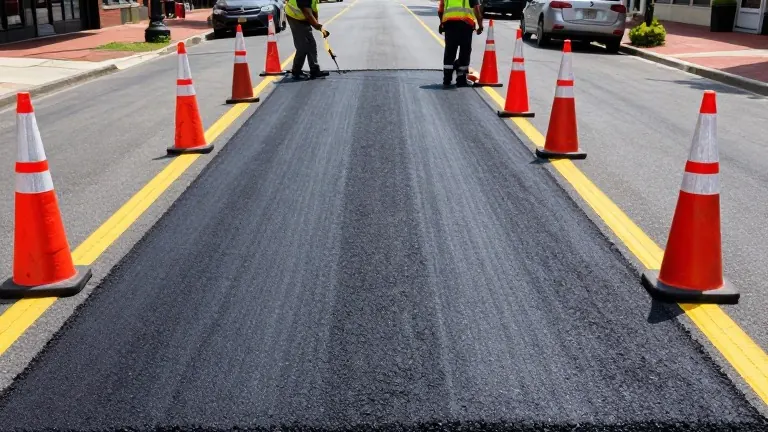
Alexandria’s Street Maintenance crews face a recurring challenge: repairing roughly 5,000 potholes and resurfacing 50 lane miles of road every year. The city’s total road network spans more than 561 lane miles, making this an ongoing effort to keep major streets drivable and safe.
The primary driver of this workload is winter weather. Water seeps into pavement cracks, then freezes and thaws. This cycle, combined with the weight of heavy trucks and buses, causes the road surface to break apart. Crews address this damage most aggressively during the spring pothole blitz, when repairs are most effective.
To manage the volume, the city divides Alexandria into 11 zones. Crews work through multiple zones simultaneously to ensure each area gets one pass. This moving operation requires periodic lane closures. Residents should expect these disruptions, though the spring patrol only covers major street networks and excludes public alleys and parking spaces.
The repair method depends on the temperature. In cold weather, crews use temporary cold mix asphalt. This material is cheaper and easier to stockpile but lasts less time. Permanent repairs use hot mix asphalt, which requires warm, dry conditions. The preferred window for this work is April through November, when the material is most effective and available.
Determining which streets get repaved is not random. The city uses a Pavement Management System that scores every street from 1 to 100 based on condition, traffic volume, and planned utility work. Streets with the lowest scores are prioritized. This objective approach aims to fix the worst roads first, using city funds and grants from the Virginia Department of Transportation.
Paving operations are precise. The top layer of the street is milled away, utilities are adjusted, and two inches of new hot-mix asphalt are installed. Residents receive notice one week before work begins. Temporary no-parking signs are posted, and vehicles parked in the work area are towed. The city coordinates with parking enforcement to track these restrictions electronically.
In high-traffic areas, the city may pave at night to reduce congestion and idling. This can improve air quality and lower fuel consumption. While some residents worry about safety during nighttime work, the city notes that productivity remains consistent with daytime operations due to less traffic interference.
Beyond roads, the division maintains 320 miles of sidewalks. Crews repair or replace more than 12,000 square feet of brick and concrete sidewalk annually. This work includes detailed repairs in Old Town’s historic brick walkways and standard concrete maintenance elsewhere. The goal is to keep pedestrian paths safe and prevent injuries from defective surfaces.
Source: City of Alexandria